
- von seodrmode
Nagelhautpflege: Das Geheimnis für eine sauberere und gepflegtere Nagellinie
- von seodrmode
Wir haben alle schon von Nagelhaut gehört – und wir können sicherlich sehen, wenn sie trocken, überwachsen ist oder eine frische Maniküre etwas unfertig aussehen lässt. Aber welcher Teil ist eigentlich tote Haut, welcher Teil lebt noch, und warum scheint sie direkt nach der Pflege der Nagellinie zurückzukehren?
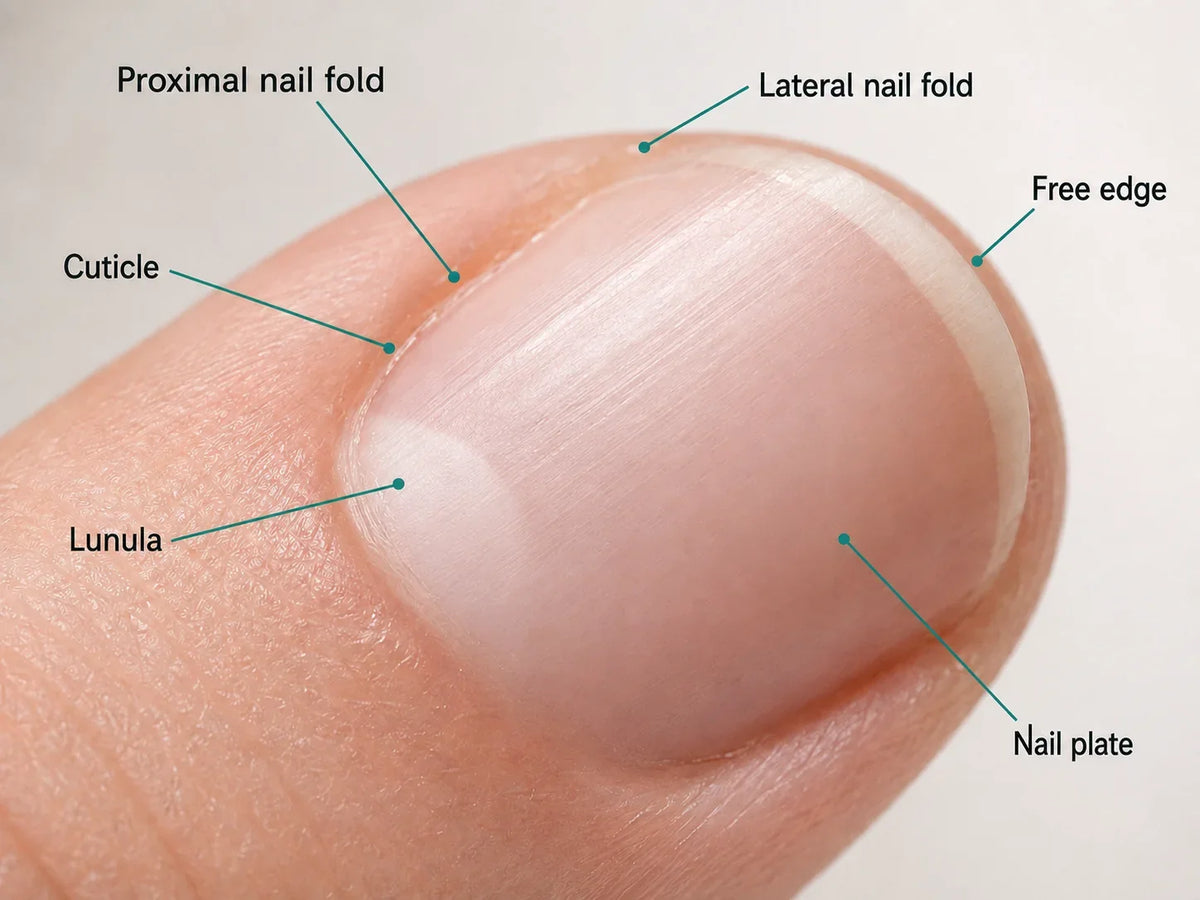
Der Begriff „Nagelhaut“ wird häufig fälschlich für die sichtbare Hautfalte an der Nagelbasis verwendet. In Wirklichkeit ist diese Falte das Eponychium – lebendes Gewebe, das die Nagelmatrix vor Infektionen schützen soll.
Die echte Nagelhaut ist die tote, nicht lebende Haut, die sich vom Eponychium ablöst und an der Nagelplatte haftet, während diese wächst. Das Verständnis dieses Unterschieds ist entscheidend: Sie können die echte Nagelhaut sicher entfernen, aber das Schneiden des lebenden Eponychiums öffnet Entzündungen und Bakterien Tür und Tor.

Constant exposure to water and harsh soaps strips the delicate skin around the nail of its natural protective lipids, leading to severe dehydration and cracking.

Low humidity and biting temperatures draw moisture out of the extremities first. The thin skin of the eponychium is particularly vulnerable to environmental stress.

Nervous habits cause micro-traumas to the living tissue. This physical damage creates rough edges that tempt further picking, creating a relentless cycle of damage.
When the goal is a cleaner-looking manicure, it can be tempting to remove everything visible around the nail base. The problem is that the dead cuticle and living proximal nail fold can appear almost continuous.
For routine at-home care, avoid cutting the attached skin around the entire nail. Removing too much may create a temporarily bare outline, but it can also leave the area red, uneven, or more noticeable as it recovers.
The True Cuticle: The thin layer of dead, transparent skin clinging tightly to the nail plate.
The Eponychium: The thicker, living skin fold surrounding the base of the nail.
Yes, and often with a vengeance if mishandled. Understanding the recovery cycle is key to breaking the habit of destructive trimming.
Cutting the eponychium triggers the body's defensive inflammatory response.
Skin rapidly produces excess keratin to armor the 'wound', creating tough, thick edges.
This hardened new growth peels and creates painful hangnails that tempt further cutting.
Consistent daily oil application softens the hardened skin, slowly returning it to a flexible, healthy state.
Cuticles are easier to refine when the nail line is soft and flexible. Scraping or pushing dry tissue creates more friction and makes it harder to distinguish loose surface buildup from attached skin.
Start with targeted moisture. Apply a small amount around the base and sides of each nail, allow it to sit briefly, and then massage it in.
A pen-style applicator makes this easier because it follows the narrow curve around the nail without coating the entire hand. It can also be kept beside a sink, on a desk, or in a bag for quick application after handwashing.
If you use a cuticle pusher, treat it as an occasional precision tool. The area should already be softened, and any nonliving buildup should move with very little pressure.
If the tissue feels attached, tender, or resistant, leave it alone.
Diese vierteilige Routine kombiniert tägliche Feuchtigkeitspflege mit gelegentlicher Pflege – ohne die Nagelhautpflege in eine langwierige Maniküre zu verwandeln. Verwenden Sie den Nagelhautpflegestift als häufigen Pflegeschritt. Schneiden, Feilen, Zurückschieben und Polieren müssen Sie nur bei Bedarf durchführen.
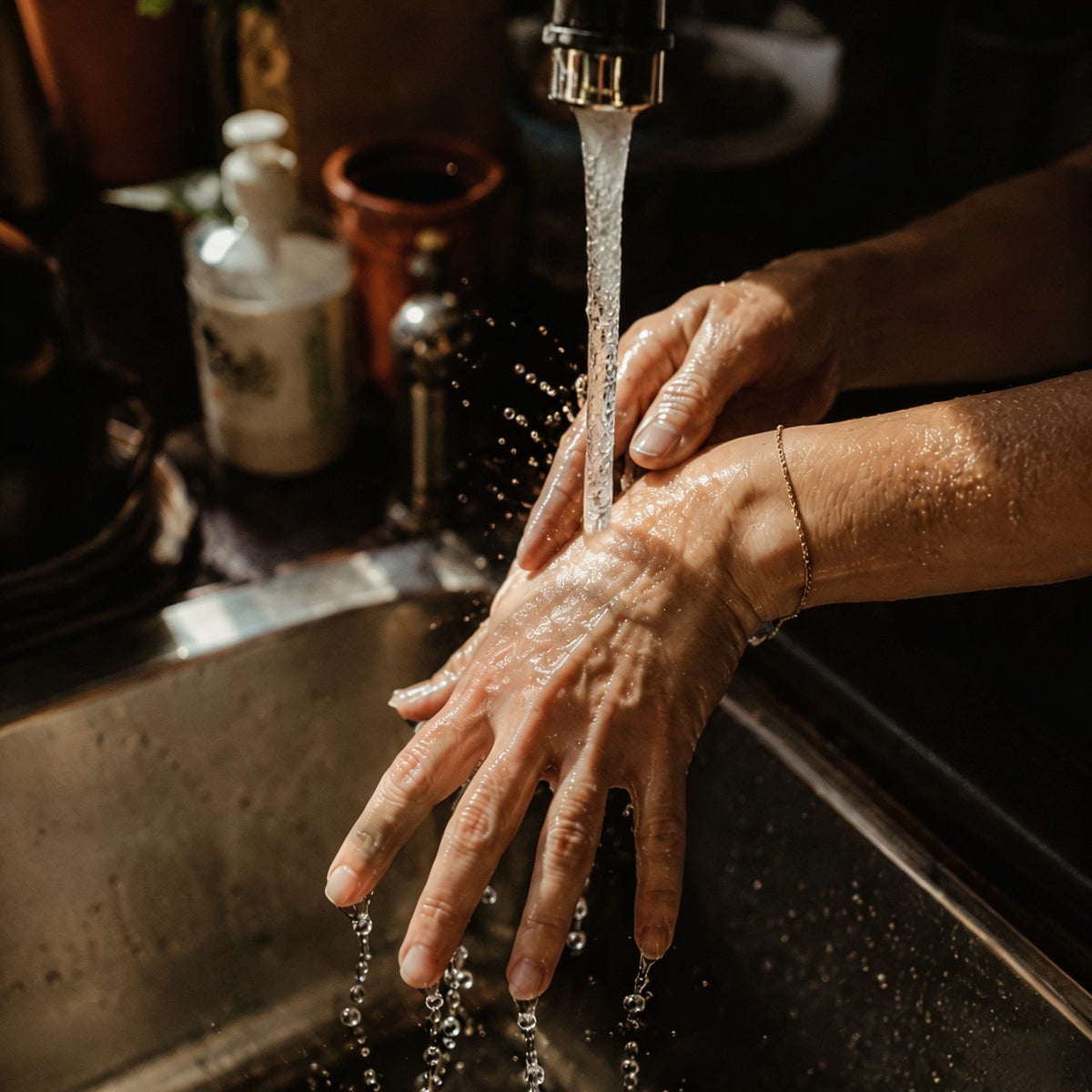
Mit milder Seife und lauwarmem Wasser waschen, dann Hände und Nagelfalze gründlich abtrocknen. Reinigen Sie sanft rund um die Nägel – kratzen Sie nicht an der umgebenden Haut und graben Sie nicht unter dem freien Nagelrand.

Solange die Nagellinie nach dem Waschen noch flexibel ist, halten Sie das abgewinkelte Ende des Glas-Nagelhautschiebers fast flach an die Nagelplatte. Heben Sie mit kurzen, sanften Bewegungen nur den gelösten Film an, der auf dem Nagel sitzt.
Dieser Schritt ist optional. Wenn sich das Gewebe festgewachsen, empfindlich oder widerständig anfühlt – oder der Bereich rissig, geschwollen oder gereizt ist – lassen Sie es in Ruhe.
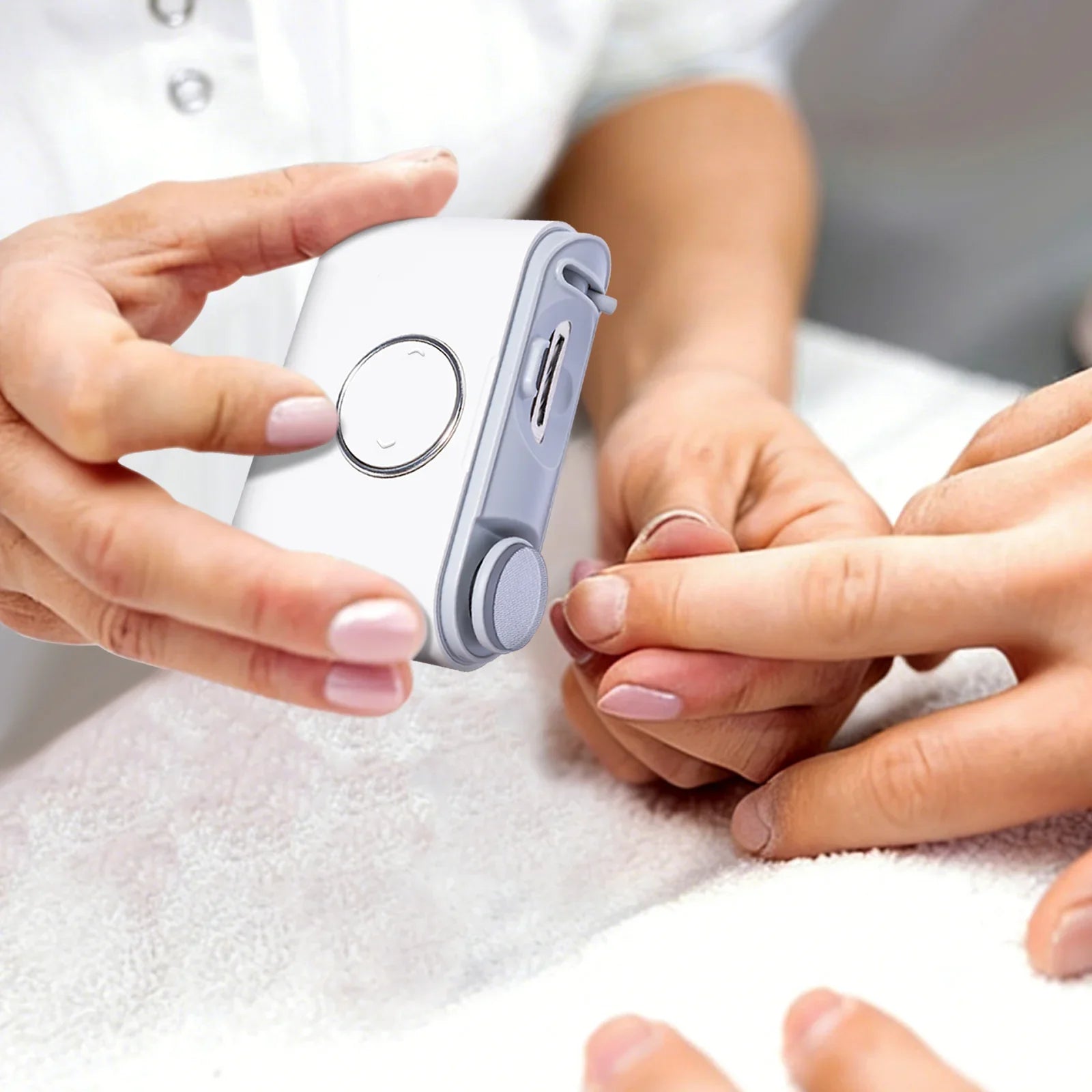
Wenn die Nägel gekürzt werden müssen, vereint der DRMODE 3-in-1 Elektrische Nagelclipper Trimmen, Schleifen und Polieren in einem Gerät. Eine geschützte Präzisionsklinge, drei Leistungsstufen und ein versiegelter Behälter für Nagelspäne erleichtern die routinemäßige Pflege und machen sie ordentlicher.
Beginnen Sie mit der niedrigsten geeigneten Stufe und führen Sie nur die freie Kante in die Öffnung ein – drücken Sie das Gerät niemals gegen die Nagelhaut oder die umgebende Haut. Für kleine Formkorrekturen beenden Sie mit einer Kristallglas-Nagelfeile; den Nano-Glas-Shiner verwenden Sie sparsam auf gesunden natürlichen Nägeln.
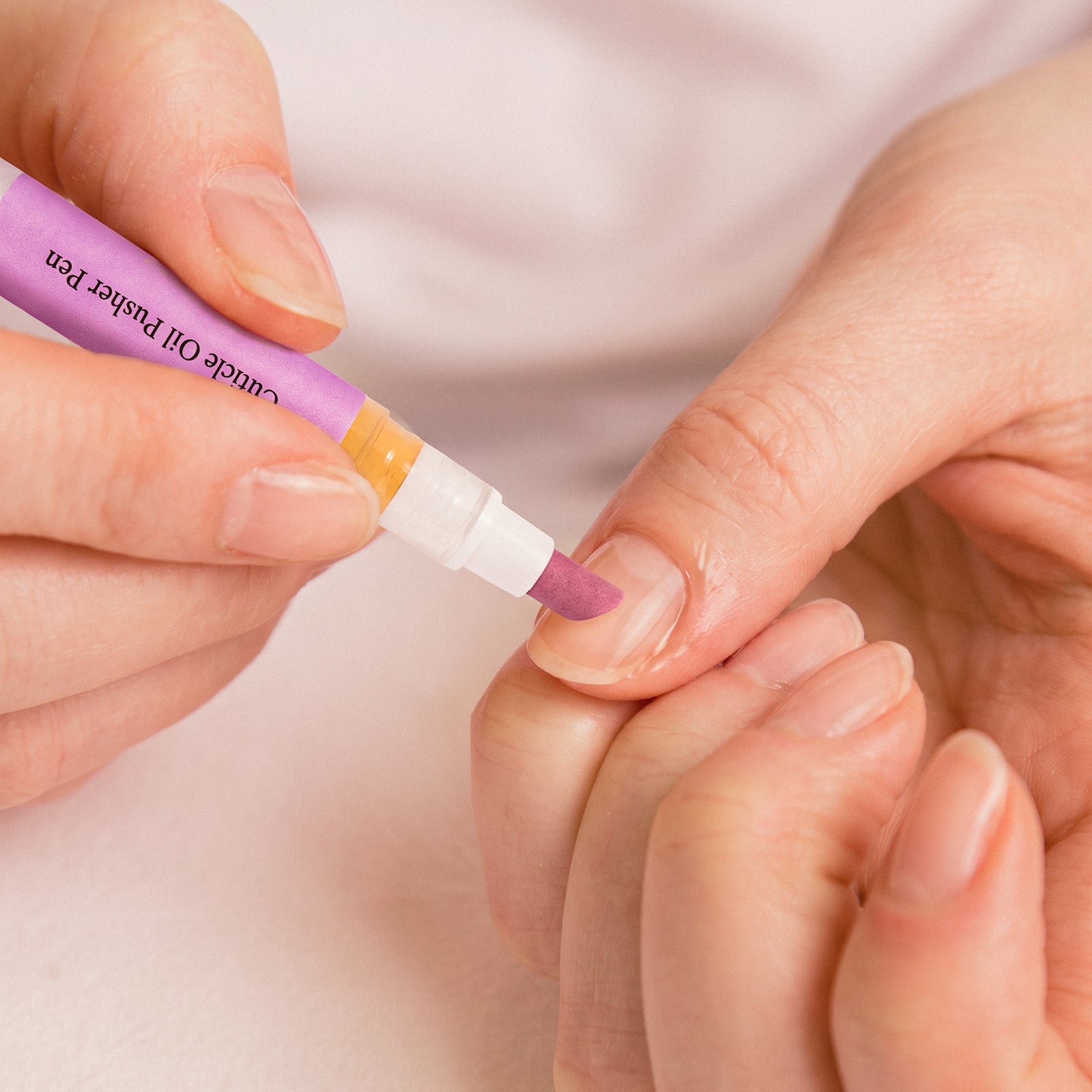
Beenden Sie mit einer leichten Schicht des DRMODE Cuticle Care Pens rund um die Basis und die Seiten jedes Nagels. Seine präzise abgewinkelte Spitze folgt der schmalen Nagellinie, während die wasserleichte Formel gezielte Feuchtigkeit spendet – ohne das Durcheinander eines herkömmlichen Tropföls.
Massieren Sie sanft, bis alles gleichmäßig verteilt ist. Täglich anwenden – oder wann immer sich die Nagellinie trocken oder gespannt anfühlt – während Feilen, Zurückschieben und Polieren nur gelegentliche Schritte sein sollten.
More cutting does not always create a cleaner result. These common mistakes can make the nail line look rougher instead of more polished.
| Mistake | What Happens | Better Approach |
|---|---|---|
| Cutting the full nail line. | Red, uneven regrowth. | Trim only detached hangnails. |
| Pushing dry cuticles. | More friction and irritation. | Soften the area first. |
| Removing every visible edge. | Living skin may be damaged. | Clear only loose nail-plate buildup. |
| Overusing remover. | Dryness or sensitivity. | Follow the stated timing. |
| Overusing tools. | A tender, overworked finish. | Push weekly; shine sparingly. |
| Skipping daily moisture. | Roughness quickly returns. | Apply after washing and before bed. |
Most at-home routines only need a targeted moisturizer, a gentle nail file, and a clean trimmer reserved for detached hangnails. A glass cuticle pusher and nano nail shiner are optional tools for occasional detailing. They should not replace daily moisture or be used aggressively. For a streamlined routine, pair a daily cuticle care pen with the DRMODE 5-Piece Glass Nail File Set.
What looks like fast cuticle growth may be dry surface tissue becoming more visible, irritation from cutting, or the natural cuticle seal forming again. Frequent trimming can make every new edge more noticeable, even if the biological growth rate has not changed.
A leave-on moisturizing product can generally be applied once or several times a day, depending on its directions and your skin’s needs. Useful times include after handwashing, after sanitizer has dried, and before bed.
A cuticle care pen designed for leave-on use can usually be applied every day. For very dry nail edges, use it in the morning and before bed, then reapply after handwashing when the area feels tight. Stop using the product if it causes persistent burning, itching, or a rash.
Cuticle removers soften or loosen keratinized surface tissue so it can be wiped from the nail plate more easily. They are not intended to dissolve living skin. Follow the stated contact time, rinse when directed, and avoid applying remover to cracked or irritated areas.
Pause cutting, scraping, and cuticle remover until the skin has settled. Apply a gentle moisturizer regularly and wear gloves when handling cleaning products or spending long periods in water. If a hangnail is fully detached, clip only the loose section with a clean tool. Do not pull it.
Daily pushing is unnecessary and may create repeated friction around the nail base. If you use a glass cuticle pusher, soften the area first and limit the step to approximately once a week—or only when loosened buildup is visible on the nail plate.
You do not need to cut the cuticle line before polishing. Refining loose surface tissue can create a cleaner outline, but remove any moisturizer from the nail plate before applying polish. Oil or serum left on the nail may affect adhesion.
Contact a healthcare professional if the skin around a nail becomes increasingly red, warm, swollen, painful, or begins producing pus. A nail that lifts, changes shape, develops persistent inflammation, or shows a new unexplained dark streak also requires professional evaluation rather than cosmetic cuticle care.
Polished-looking cuticles do not come from cutting away as much skin as possible. They come from knowing the difference between visible nonliving buildup and the living fold that naturally frames the nail.
Soften first. Refine only what moves without force. Keep rough nail edges smooth, and make targeted moisture part of your daily routine.
The result is not a completely bare nail base, but something more natural and easier to maintain: a clean, comfortable nail line that makes both bare nails and finished manicures look more considered.
This article provides general cosmetic nail-care information and is not a substitute for diagnosis or treatment by a qualified healthcare professional.
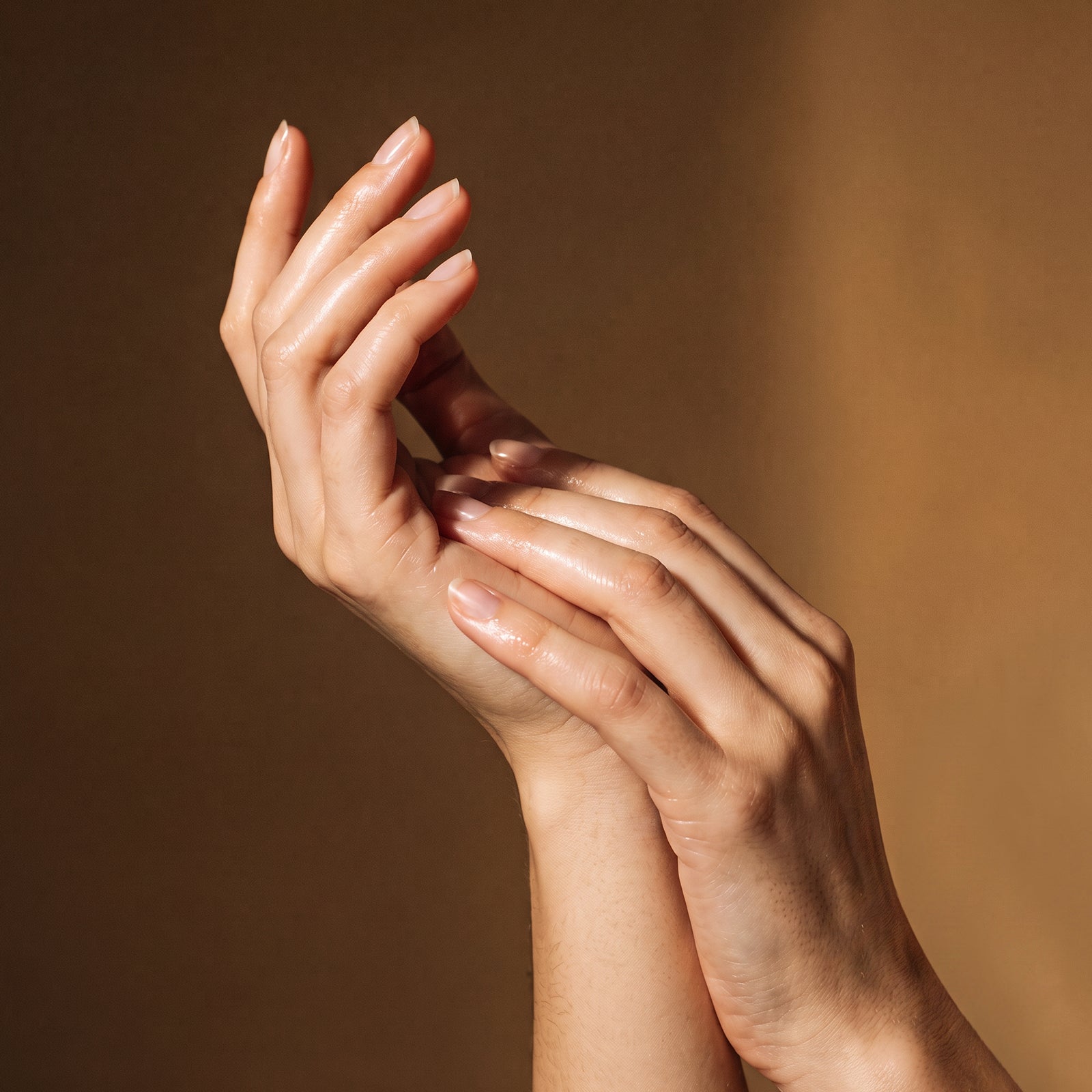
Glätten Sie raue Kanten und stellen Sie den natürlichen Glanz mit dem 5-teiligen Glas-Nagelfeilen-Set wieder her, und pflegen Sie dann trockene Nagelhaut mit drei wasserleichten Nagelhautöl-Stiften. Alles, was Sie für natürlich gepflegte Nägel brauchen – ganz ohne Termin im Nagelstudio.


Bereit zum Hinzufügen

Bereit zum Hinzufügen
Teilen:
Stoppen Sie den Kampf: So wählen Sie die besten Nagelknipser für dicke Nägel aus
Nagelknipser zu Hause reinigen: Einfache Schritte zum Desinfizieren