
- seodrmodeによる
キューティクルケア:きれいで美しいネイルラインの秘訣
- seodrmodeによる
私たちは皆、甘皮(キューティクル)について耳にしたことがあります。そして、甘皮が乾燥していたり、伸びすぎていたり、新しいマニキュアが少し仕上がりきっていないように見えるときには、確かにそれを目にすることができます。しかし、実際に死んだ皮膚の部分はどれで、まだ生きている部分はどれなのでしょうか。また、ネイルラインを整えた直後に、なぜそれがまた現れるように見えるのでしょうか?
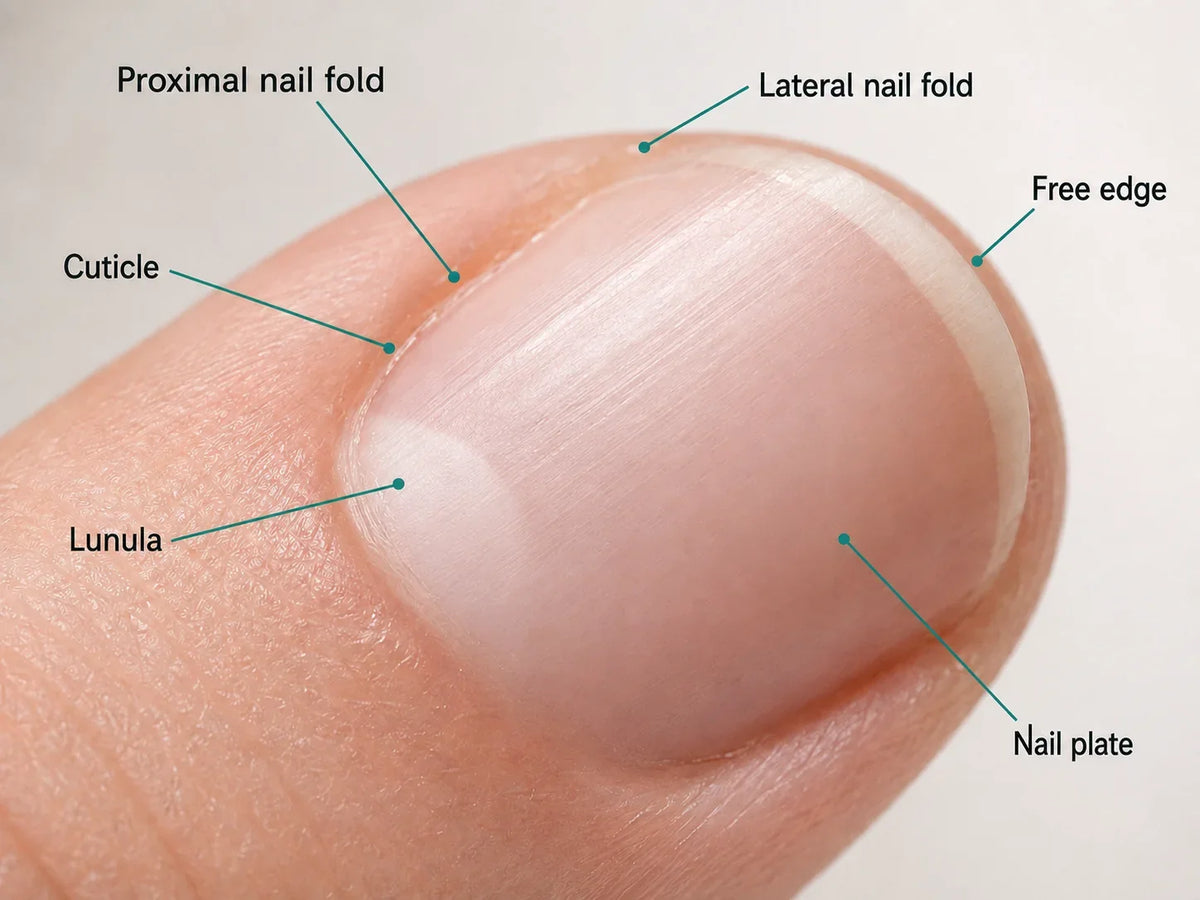
「キューティクル」という言葉は、爪の付け根にある目に見える皮膚のひだを指すのに頻繁に誤用されます。実際には、そのひだはエポニキウム(爪上皮)であり、爪母を感染から守るための生きた組織です。
本当のキューティクルとは、爪上皮から剥がれ落ち、爪が成長するにつれて爪甲に付着する、死んだ非生きた皮膚のことです。この区別を理解することが重要です。本当のキューティクルは安全に取り除くことができますが、生きた爪上皮を切ると、炎症や細菌の入り口を作ってしまいます。

Constant exposure to water and harsh soaps strips the delicate skin around the nail of its natural protective lipids, leading to severe dehydration and cracking.

Low humidity and biting temperatures draw moisture out of the extremities first. The thin skin of the eponychium is particularly vulnerable to environmental stress.

Nervous habits cause micro-traumas to the living tissue. This physical damage creates rough edges that tempt further picking, creating a relentless cycle of damage.
When the goal is a cleaner-looking manicure, it can be tempting to remove everything visible around the nail base. The problem is that the dead cuticle and living proximal nail fold can appear almost continuous.
For routine at-home care, avoid cutting the attached skin around the entire nail. Removing too much may create a temporarily bare outline, but it can also leave the area red, uneven, or more noticeable as it recovers.
The True Cuticle: The thin layer of dead, transparent skin clinging tightly to the nail plate.
The Eponychium: The thicker, living skin fold surrounding the base of the nail.
Yes, and often with a vengeance if mishandled. Understanding the recovery cycle is key to breaking the habit of destructive trimming.
Cutting the eponychium triggers the body's defensive inflammatory response.
Skin rapidly produces excess keratin to armor the 'wound', creating tough, thick edges.
This hardened new growth peels and creates painful hangnails that tempt further cutting.
Consistent daily oil application softens the hardened skin, slowly returning it to a flexible, healthy state.
Cuticles are easier to refine when the nail line is soft and flexible. Scraping or pushing dry tissue creates more friction and makes it harder to distinguish loose surface buildup from attached skin.
Start with targeted moisture. Apply a small amount around the base and sides of each nail, allow it to sit briefly, and then massage it in.
A pen-style applicator makes this easier because it follows the narrow curve around the nail without coating the entire hand. It can also be kept beside a sink, on a desk, or in a bag for quick application after handwashing.
If you use a cuticle pusher, treat it as an occasional precision tool. The area should already be softened, and any nonliving buildup should move with very little pressure.
If the tissue feels attached, tender, or resistant, leave it alone.
この4ステップのルーティンは、毎日の保湿と、時々のケアを組み合わせたもので、キューティクルケアを長いマニキュアにすることはありません。頻繁に行うメンテナンスステップとして、キューティクルケアペンを使用してください。トリミング、ファイルかけ、甘皮押し上げ、つや出しは、必要なときだけ行えば十分です。
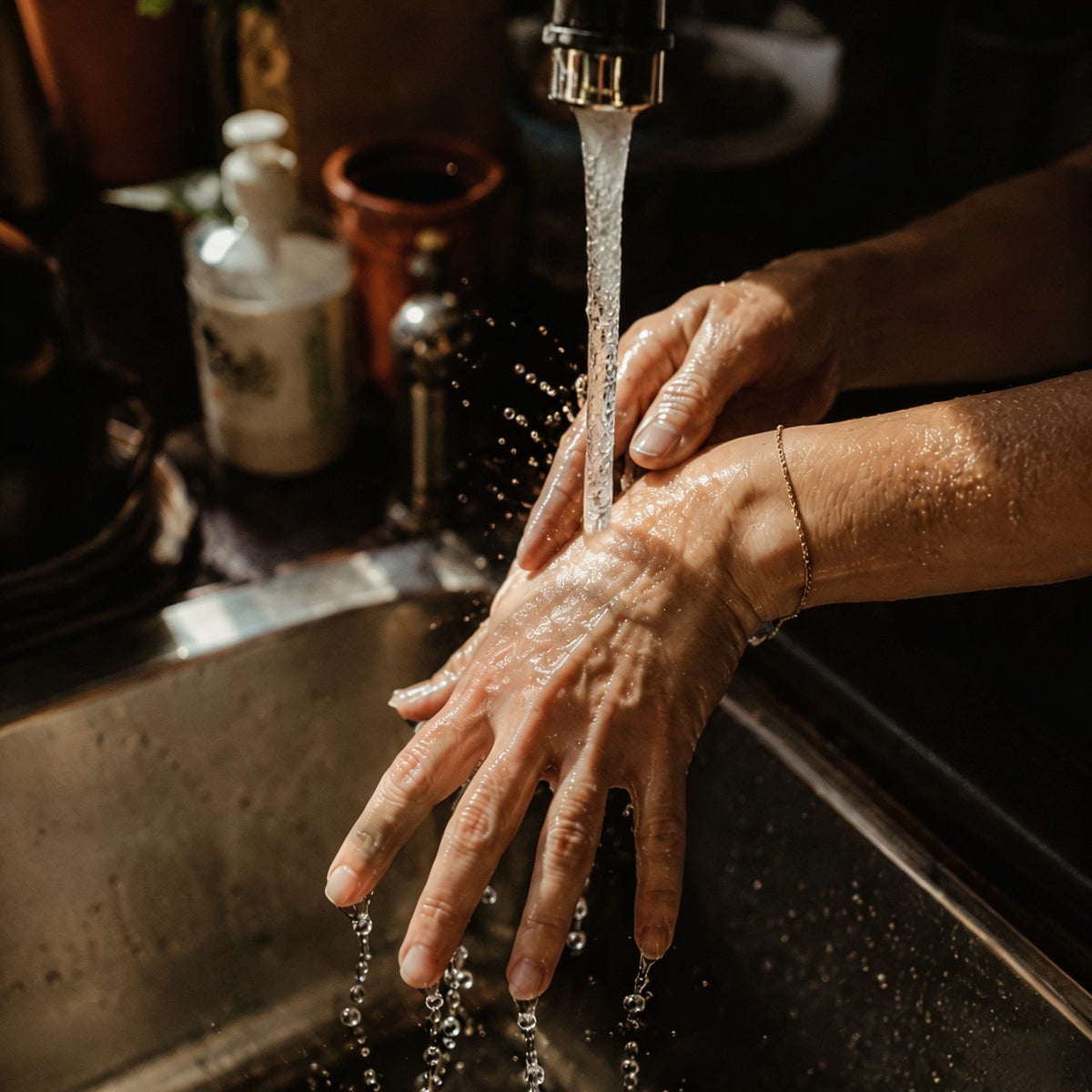
マイルドな石鹸とぬるま湯で洗い、手と爪の周りの皮膚をよく乾かします。爪の周りをやさしく清掃しますが、周囲の皮膚をこすったり、爪の先端の下を掘ったりしないでください。

洗った後、ネイルラインがまだ柔軟なうちに、ガラス製キューティクルプッシャーの角度の付いた先端をネイルプレートに対してほぼ平らに当てます。短く優しい動きで、爪の上にある浮いた薄い皮だけを持ち上げます。
この手順は任意です。皮膚がくっついているように感じたり、痛みや抵抗がある場合、またはその部分がひび割れていたり、腫れていたり、炎症を起こしている場合は、そのままにしておいてください。
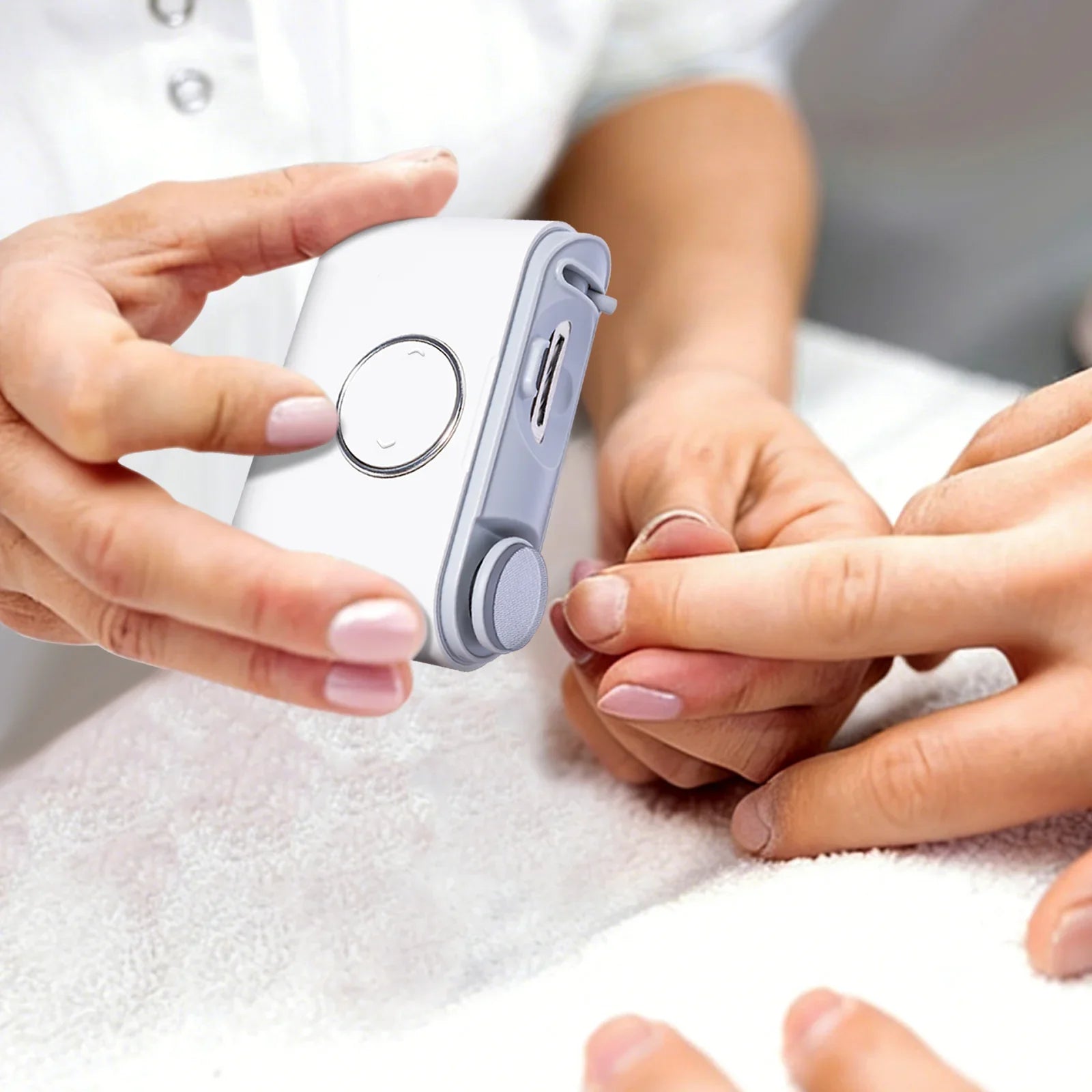
爪を短くする必要があるとき、DRMODE 3-in-1 電動爪切りは、カット・研削・研磨を1台にまとめた便利なアイテムです。ガード付き精密ブレード、3段階のパワーレベル、密閉式の爪くず受けが、日頃のお手入れをより簡単で清潔にします。
まず適切な最低設定から始め、爪の先端(フリーエッジ)だけを開口部に差し込みます。デバイスを甘皮や周囲の皮膚に押し付けないでください。形を少し整えるだけの場合は、クリスタルガラスの爪やすりで仕上げます。ナノガラスシャイナーは、健康な天然爪に控えめに使用してください。
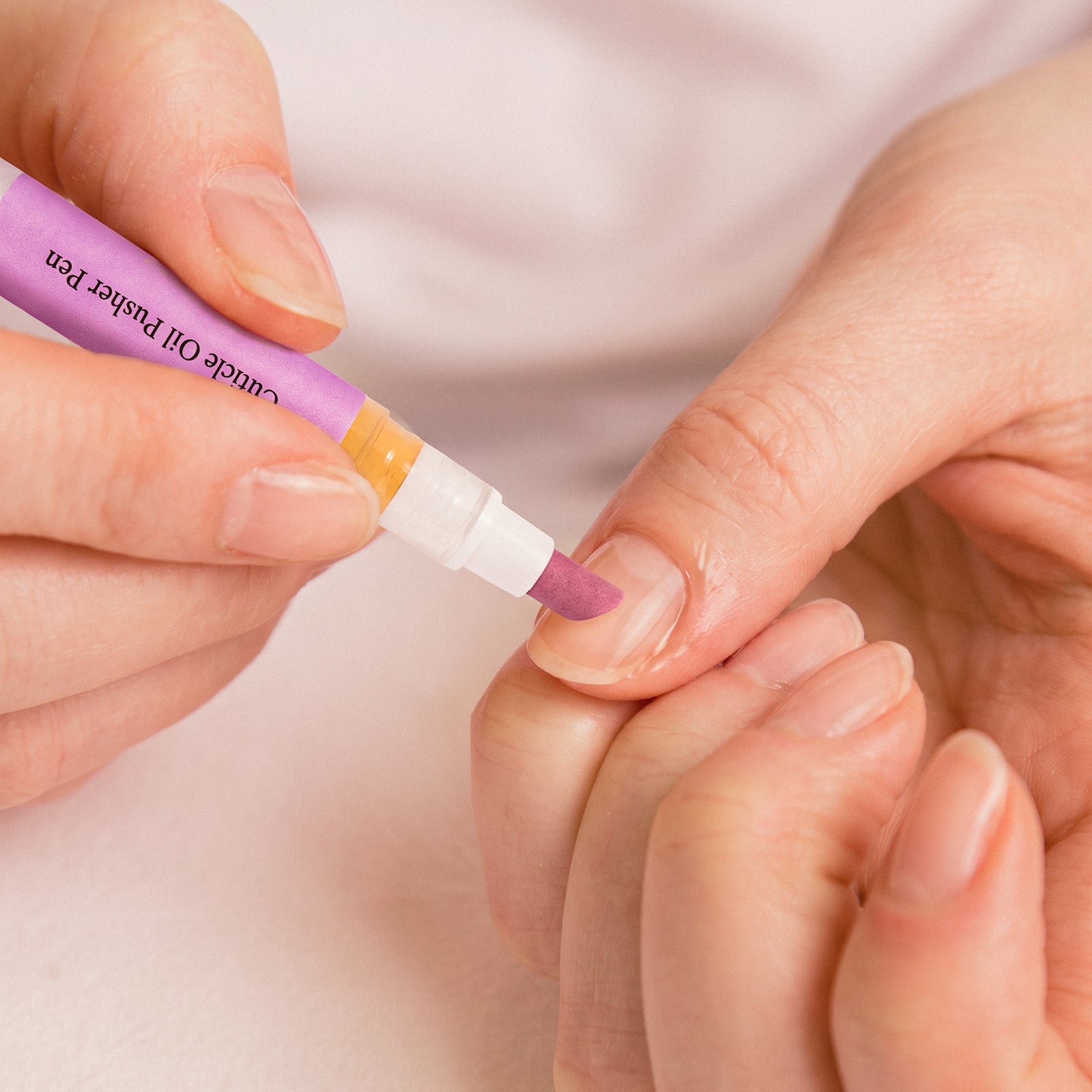
最後に、DRMODE キューティクルケアペンを各爪の根元と側面に薄く塗ります。正確な角度のチップが細いネイルラインに沿って使いやすく、水のように軽い処方は、従来のスポイト式オイルのようにべたつかず、必要な部分に潤いを届けます。
やさしくマッサージしながら、まんべんなく行き渡らせます。毎日、または爪のラインが乾燥したりつっぱったりするときに使用してください。ヤスリがけ、甘皮のプッシュ、ツヤ出しは、あくまでときどきのケアとして行ってください。
More cutting does not always create a cleaner result. These common mistakes can make the nail line look rougher instead of more polished.
| Mistake | What Happens | Better Approach |
|---|---|---|
| Cutting the full nail line. | Red, uneven regrowth. | Trim only detached hangnails. |
| Pushing dry cuticles. | More friction and irritation. | Soften the area first. |
| Removing every visible edge. | Living skin may be damaged. | Clear only loose nail-plate buildup. |
| Overusing remover. | Dryness or sensitivity. | Follow the stated timing. |
| Overusing tools. | A tender, overworked finish. | Push weekly; shine sparingly. |
| Skipping daily moisture. | Roughness quickly returns. | Apply after washing and before bed. |
Most at-home routines only need a targeted moisturizer, a gentle nail file, and a clean trimmer reserved for detached hangnails. A glass cuticle pusher and nano nail shiner are optional tools for occasional detailing. They should not replace daily moisture or be used aggressively. For a streamlined routine, pair a daily cuticle care pen with the DRMODE 5-Piece Glass Nail File Set.
What looks like fast cuticle growth may be dry surface tissue becoming more visible, irritation from cutting, or the natural cuticle seal forming again. Frequent trimming can make every new edge more noticeable, even if the biological growth rate has not changed.
A leave-on moisturizing product can generally be applied once or several times a day, depending on its directions and your skin’s needs. Useful times include after handwashing, after sanitizer has dried, and before bed.
A cuticle care pen designed for leave-on use can usually be applied every day. For very dry nail edges, use it in the morning and before bed, then reapply after handwashing when the area feels tight. Stop using the product if it causes persistent burning, itching, or a rash.
Cuticle removers soften or loosen keratinized surface tissue so it can be wiped from the nail plate more easily. They are not intended to dissolve living skin. Follow the stated contact time, rinse when directed, and avoid applying remover to cracked or irritated areas.
Pause cutting, scraping, and cuticle remover until the skin has settled. Apply a gentle moisturizer regularly and wear gloves when handling cleaning products or spending long periods in water. If a hangnail is fully detached, clip only the loose section with a clean tool. Do not pull it.
Daily pushing is unnecessary and may create repeated friction around the nail base. If you use a glass cuticle pusher, soften the area first and limit the step to approximately once a week—or only when loosened buildup is visible on the nail plate.
You do not need to cut the cuticle line before polishing. Refining loose surface tissue can create a cleaner outline, but remove any moisturizer from the nail plate before applying polish. Oil or serum left on the nail may affect adhesion.
Contact a healthcare professional if the skin around a nail becomes increasingly red, warm, swollen, painful, or begins producing pus. A nail that lifts, changes shape, develops persistent inflammation, or shows a new unexplained dark streak also requires professional evaluation rather than cosmetic cuticle care.
Polished-looking cuticles do not come from cutting away as much skin as possible. They come from knowing the difference between visible nonliving buildup and the living fold that naturally frames the nail.
Soften first. Refine only what moves without force. Keep rough nail edges smooth, and make targeted moisture part of your daily routine.
The result is not a completely bare nail base, but something more natural and easier to maintain: a clean, comfortable nail line that makes both bare nails and finished manicures look more considered.
This article provides general cosmetic nail-care information and is not a substitute for diagnosis or treatment by a qualified healthcare professional.
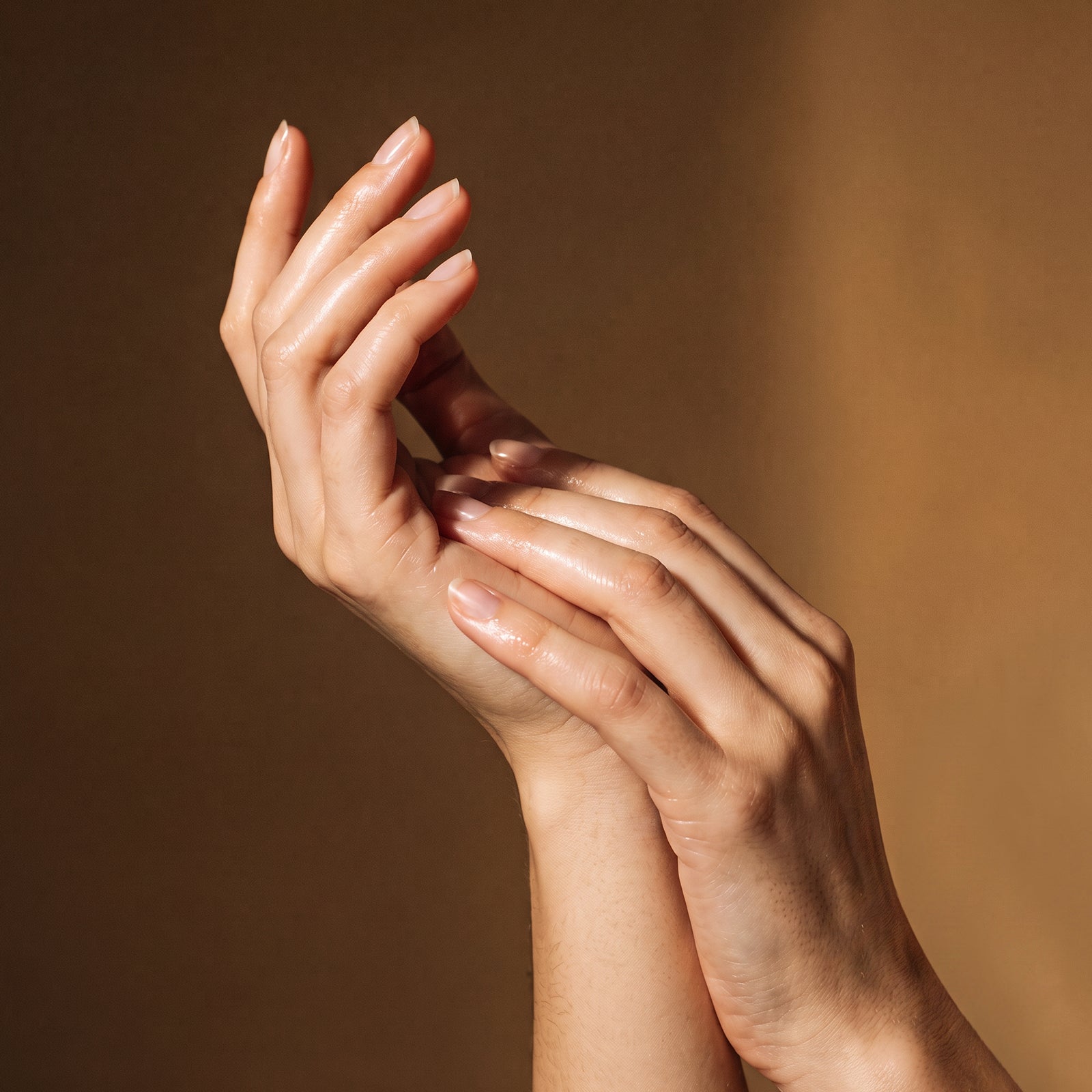
5ピースのガラス製ネイルファイルセットで粗いエッジを整え、自然なツヤを取り戻し、その後、3本のウォーターライトキューティクルオイルペンで乾燥した甘皮を柔らかくします。サロンに行かなくても、自然な輝きのネイルに必要なものがすべて揃っています。


追加の準備ができました

共有:
もがきから解放される:厚い爪に最適な爪切りの選び方
自宅で爪切りを掃除する方法:簡単に消毒する手順