
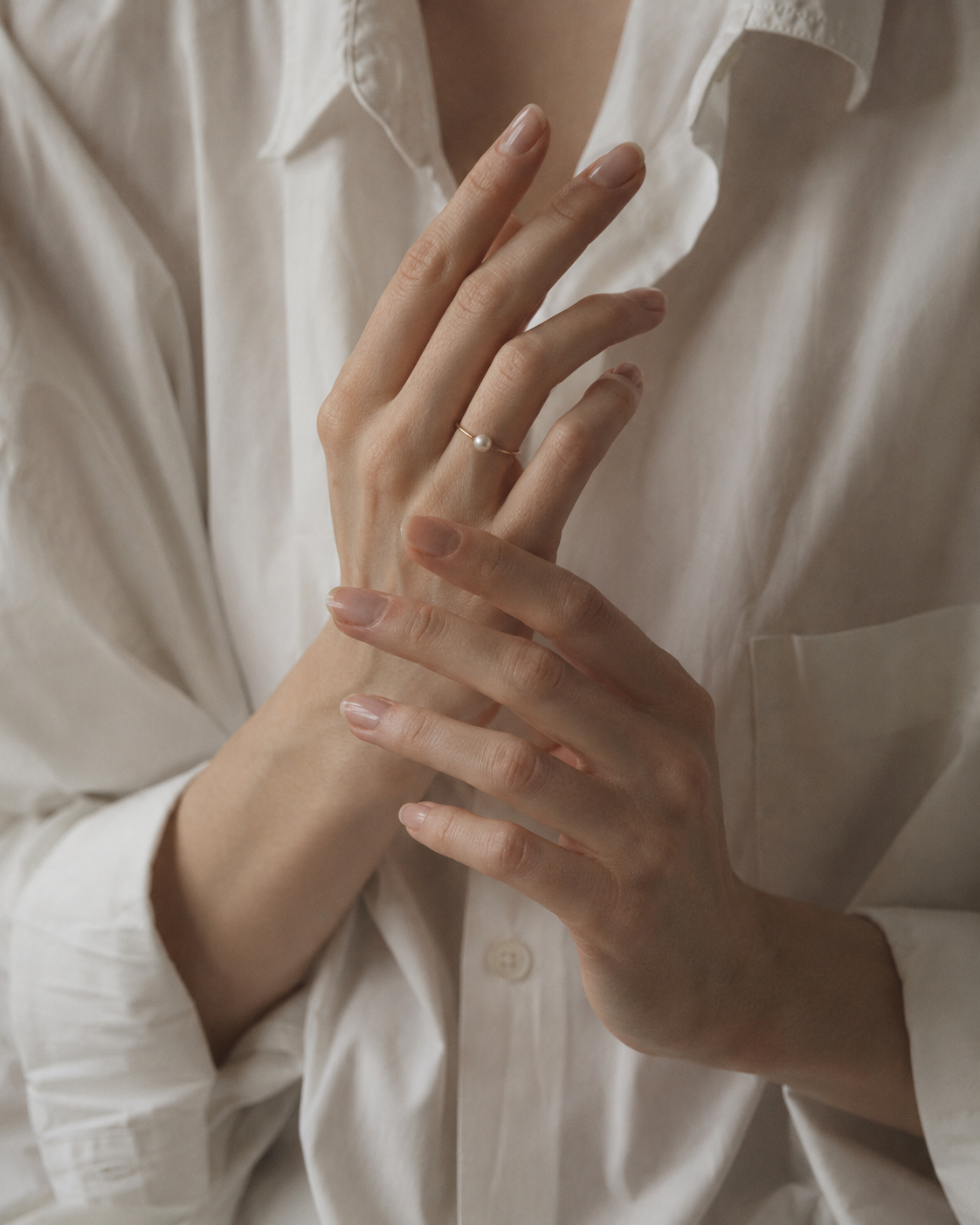
- da seodrmode
Cura delle cuticole: il segreto per una linea dell'unghia più pulita e più lucida
- da seodrmode
Abbiamo tutti sentito parlare delle cuticole—e possiamo certamente vedere quando sono secche, troppo cresciute o rendono una manicure fresca leggermente incompiuta. Ma quale parte è in realtà pelle morta, quale parte è ancora viva, e perché sembra tornare proprio dopo che la linea dell'unghia è stata sistemata?
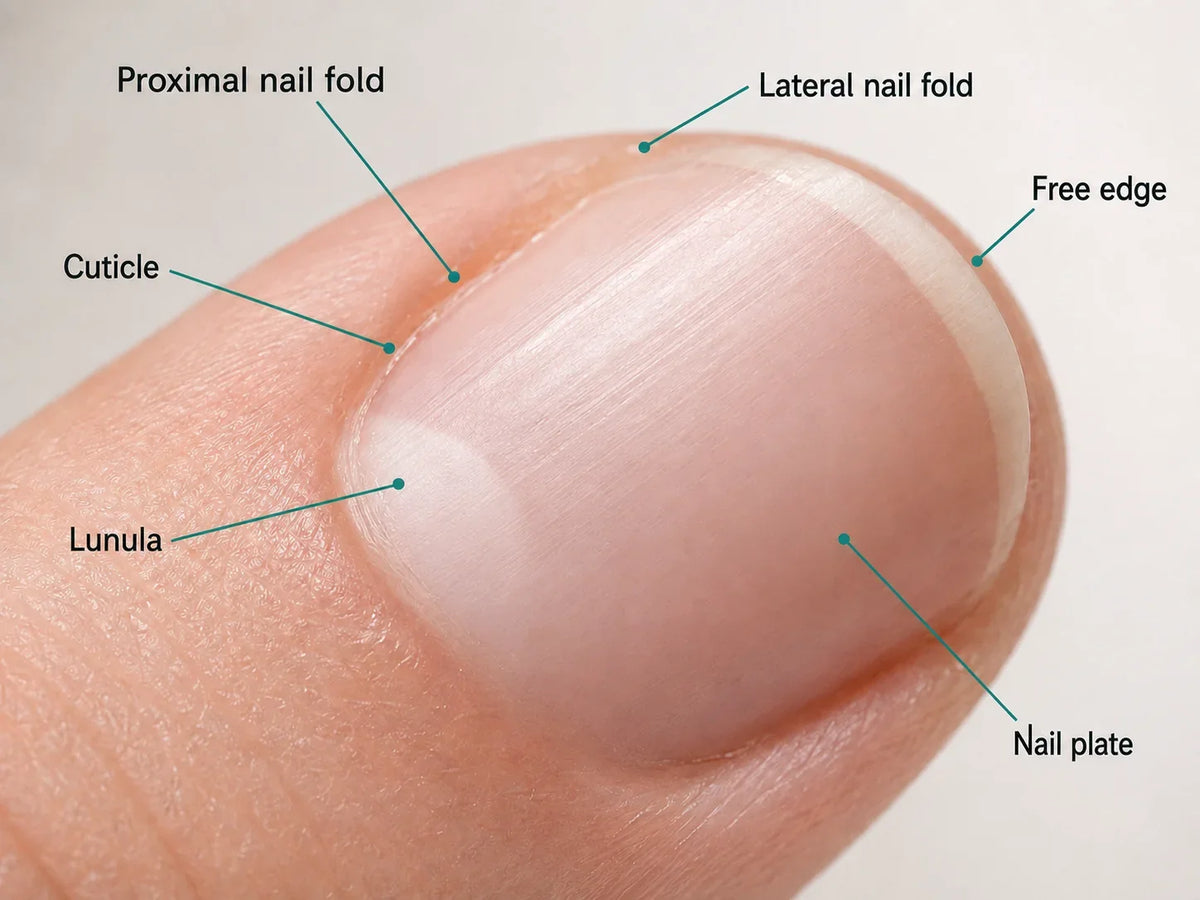
Il termine "cuticola" viene spesso usato impropriamente per descrivere la piega visibile della pelle alla base dell'unghia. In realtà, quella piega è l'eponichio: un tessuto vivo progettato per proteggere la matrice ungueale dalle infezioni.
La vera cuticola è la pelle morta, non viva, che si sfalda dall'eponichio e aderisce alla lamina ungueale mentre questa cresce. Comprendere questa distinzione è fondamentale: puoi esfoliare in sicurezza la vera cuticola, ma tagliare l'eponichio vivo apre la porta a infiammazioni e batteri.

Constant exposure to water and harsh soaps strips the delicate skin around the nail of its natural protective lipids, leading to severe dehydration and cracking.

Low humidity and biting temperatures draw moisture out of the extremities first. The thin skin of the eponychium is particularly vulnerable to environmental stress.

Nervous habits cause micro-traumas to the living tissue. This physical damage creates rough edges that tempt further picking, creating a relentless cycle of damage.
When the goal is a cleaner-looking manicure, it can be tempting to remove everything visible around the nail base. The problem is that the dead cuticle and living proximal nail fold can appear almost continuous.
For routine at-home care, avoid cutting the attached skin around the entire nail. Removing too much may create a temporarily bare outline, but it can also leave the area red, uneven, or more noticeable as it recovers.
The True Cuticle: The thin layer of dead, transparent skin clinging tightly to the nail plate.
The Eponychium: The thicker, living skin fold surrounding the base of the nail.
Yes, and often with a vengeance if mishandled. Understanding the recovery cycle is key to breaking the habit of destructive trimming.
Cutting the eponychium triggers the body's defensive inflammatory response.
Skin rapidly produces excess keratin to armor the 'wound', creating tough, thick edges.
This hardened new growth peels and creates painful hangnails that tempt further cutting.
Consistent daily oil application softens the hardened skin, slowly returning it to a flexible, healthy state.
Cuticles are easier to refine when the nail line is soft and flexible. Scraping or pushing dry tissue creates more friction and makes it harder to distinguish loose surface buildup from attached skin.
Start with targeted moisture. Apply a small amount around the base and sides of each nail, allow it to sit briefly, and then massage it in.
A pen-style applicator makes this easier because it follows the narrow curve around the nail without coating the entire hand. It can also be kept beside a sink, on a desk, or in a bag for quick application after handwashing.
If you use a cuticle pusher, treat it as an occasional precision tool. The area should already be softened, and any nonliving buildup should move with very little pressure.
If the tissue feels attached, tender, or resistant, leave it alone.
Questa routine in quattro fasi combina l'idratazione quotidiana con una cura occasionale—senza trasformare la cura delle cuticole in una lunga manicure. Usa la penna per la cura delle cuticole come passaggio di manutenzione frequente. Tagliare, limare, spingere e lucidare vanno fatti solo quando necessario.
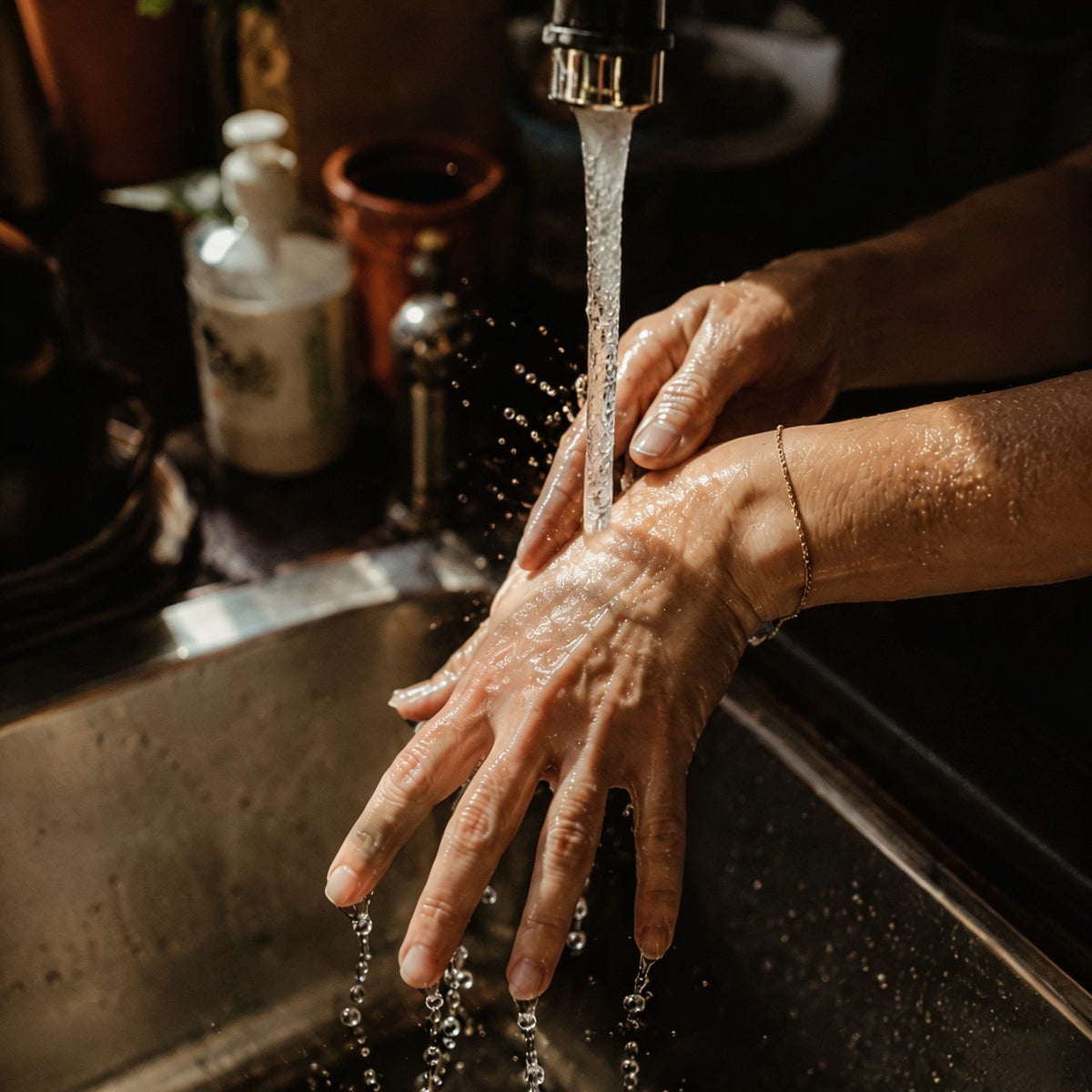
Lavare con sapone delicato e acqua tiepida, poi asciugare accuratamente mani e pieghe ungueali. Pulire delicatamente intorno alle unghie—non raschiare la pelle circostante né scavare sotto il bordo libero.

Mentre la linea dell'unghia è ancora flessibile dopo il lavaggio, tenere l'estremità angolata dello spingicuticole in vetro quasi piatta contro la lamina ungueale. Usare movimenti brevi e delicati per sollevare solo la pellicola allentata che si trova sull'unghia.
Questo passaggio è facoltativo. Se il tessuto risulta attaccato, sensibile o resistente—o se la zona è screpolata, gonfia o irritata—lascialo stare.
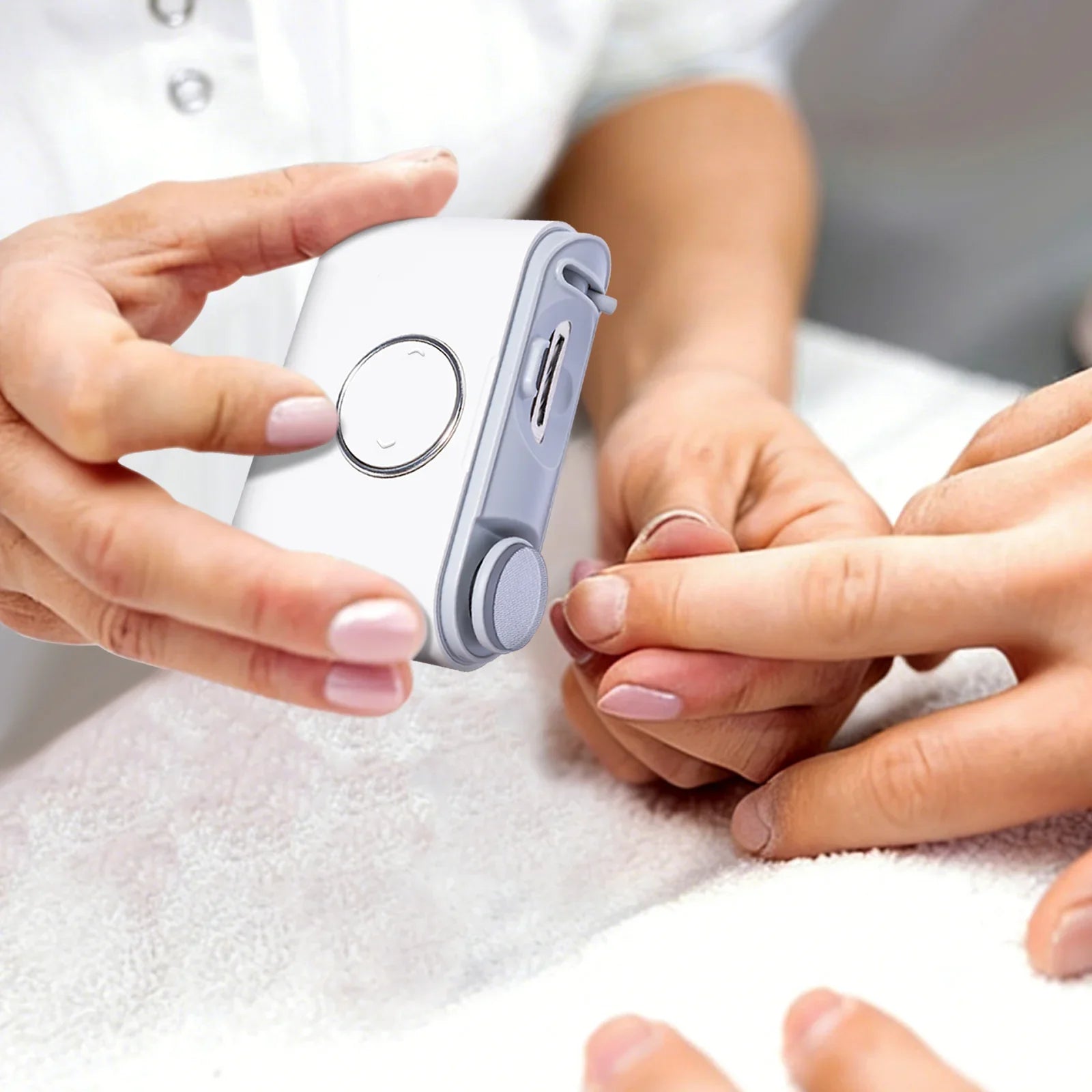
Quando le unghie necessitano di essere accorciate, il Tagliaunghie Elettrico 3-in-1 DRMODE combina taglio, limatura e lucidatura in un unico dispositivo. Una lama di precisione protetta, tre livelli di potenza e un serbatoio sigillato per i residui delle unghie rendono la manutenzione ordinaria più facile e pulita.
Inizia con l'impostazione più bassa adatta e guida solo il bordo libero nell'apertura: non premere mai il dispositivo contro la cuticola o la pelle circostante. Per piccoli aggiustamenti di forma, completa con una lima per unghie in vetro cristallo; usa la lucidatrice in nano vetro con parsimonia su unghie naturali sane.
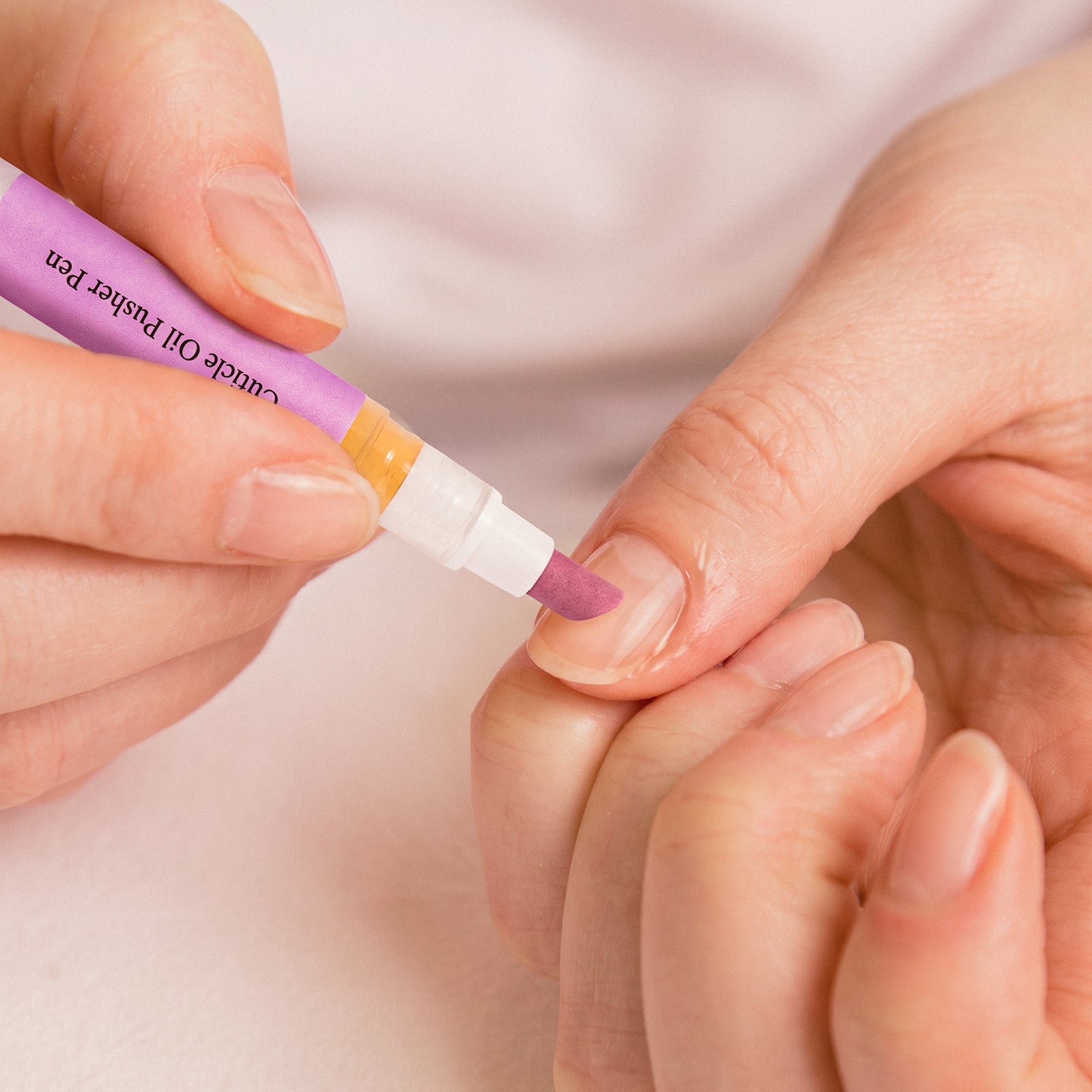
Completa con un leggero strato della Penna per Cuticole DRMODE attorno alla base e ai lati di ogni unghia. La sua punta angolata precisa segue la linea stretta dell'unghia, mentre la formula leggera come l'acqua fornisce un'idratazione mirata senza il disordine di un tradizionale olio con contagocce.
Massaggia delicatamente fino a distribuzione uniforme. Usalo quotidianamente—o ogni volta che la linea dell'unghia risulta secca o tesa—mantenendo la limatura, la spinta e la lucidatura come passaggi occasionali.
More cutting does not always create a cleaner result. These common mistakes can make the nail line look rougher instead of more polished.
| Mistake | What Happens | Better Approach |
|---|---|---|
| Cutting the full nail line. | Red, uneven regrowth. | Trim only detached hangnails. |
| Pushing dry cuticles. | More friction and irritation. | Soften the area first. |
| Removing every visible edge. | Living skin may be damaged. | Clear only loose nail-plate buildup. |
| Overusing remover. | Dryness or sensitivity. | Follow the stated timing. |
| Overusing tools. | A tender, overworked finish. | Push weekly; shine sparingly. |
| Skipping daily moisture. | Roughness quickly returns. | Apply after washing and before bed. |
Most at-home routines only need a targeted moisturizer, a gentle nail file, and a clean trimmer reserved for detached hangnails. A glass cuticle pusher and nano nail shiner are optional tools for occasional detailing. They should not replace daily moisture or be used aggressively. For a streamlined routine, pair a daily cuticle care pen with the DRMODE 5-Piece Glass Nail File Set.
What looks like fast cuticle growth may be dry surface tissue becoming more visible, irritation from cutting, or the natural cuticle seal forming again. Frequent trimming can make every new edge more noticeable, even if the biological growth rate has not changed.
A leave-on moisturizing product can generally be applied once or several times a day, depending on its directions and your skin’s needs. Useful times include after handwashing, after sanitizer has dried, and before bed.
A cuticle care pen designed for leave-on use can usually be applied every day. For very dry nail edges, use it in the morning and before bed, then reapply after handwashing when the area feels tight. Stop using the product if it causes persistent burning, itching, or a rash.
Cuticle removers soften or loosen keratinized surface tissue so it can be wiped from the nail plate more easily. They are not intended to dissolve living skin. Follow the stated contact time, rinse when directed, and avoid applying remover to cracked or irritated areas.
Pause cutting, scraping, and cuticle remover until the skin has settled. Apply a gentle moisturizer regularly and wear gloves when handling cleaning products or spending long periods in water. If a hangnail is fully detached, clip only the loose section with a clean tool. Do not pull it.
Daily pushing is unnecessary and may create repeated friction around the nail base. If you use a glass cuticle pusher, soften the area first and limit the step to approximately once a week—or only when loosened buildup is visible on the nail plate.
You do not need to cut the cuticle line before polishing. Refining loose surface tissue can create a cleaner outline, but remove any moisturizer from the nail plate before applying polish. Oil or serum left on the nail may affect adhesion.
Contact a healthcare professional if the skin around a nail becomes increasingly red, warm, swollen, painful, or begins producing pus. A nail that lifts, changes shape, develops persistent inflammation, or shows a new unexplained dark streak also requires professional evaluation rather than cosmetic cuticle care.
Polished-looking cuticles do not come from cutting away as much skin as possible. They come from knowing the difference between visible nonliving buildup and the living fold that naturally frames the nail.
Soften first. Refine only what moves without force. Keep rough nail edges smooth, and make targeted moisture part of your daily routine.
The result is not a completely bare nail base, but something more natural and easier to maintain: a clean, comfortable nail line that makes both bare nails and finished manicures look more considered.
This article provides general cosmetic nail-care information and is not a substitute for diagnosis or treatment by a qualified healthcare professional.
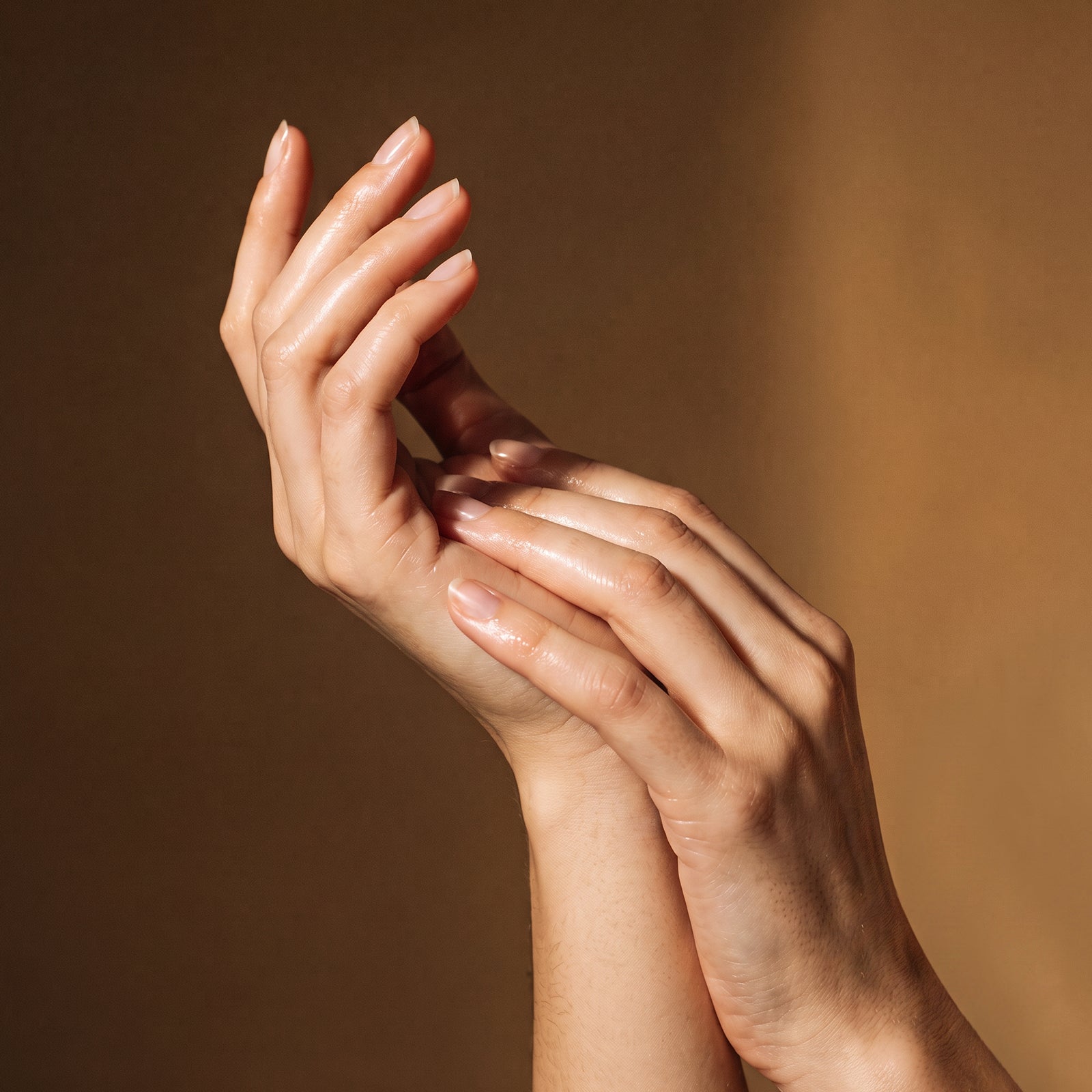
Affina i bordi ruvidi e ripristina la lucentezza naturale con il set di 5 lime per unghie in vetro, poi ammorbidisci le cuticole secche con tre penne a olio per cuticole leggere come l'acqua. Tutto ciò che ti serve per unghie naturalmente curate, senza un appuntamento al salone.

Pronto da aggiungere

Pronto da aggiungere

Pronto da aggiungere
Condividi:
Interrompi la lotta: Come scegliere le migliori tronchesine per unghie spesse
Come pulire i tagliaunghie a casa: semplici passaggi per disinfettarli