
- par seodrmode
Soin des cuticules : le secret d'une ligne d'ongles plus propre et plus polie
- par seodrmode
Nous avons tous entendu parler des cuticules—et nous pouvons certainement voir quand elles sont sèches, envahissantes, ou donnent à une manucure fraîche un aspect légèrement inachevé. Mais quelle partie est réellement de la peau morte, quelle partie est encore vivante, et pourquoi semble-t-elle revenir juste après que la ligne de l'ongle a été nettoyée ?
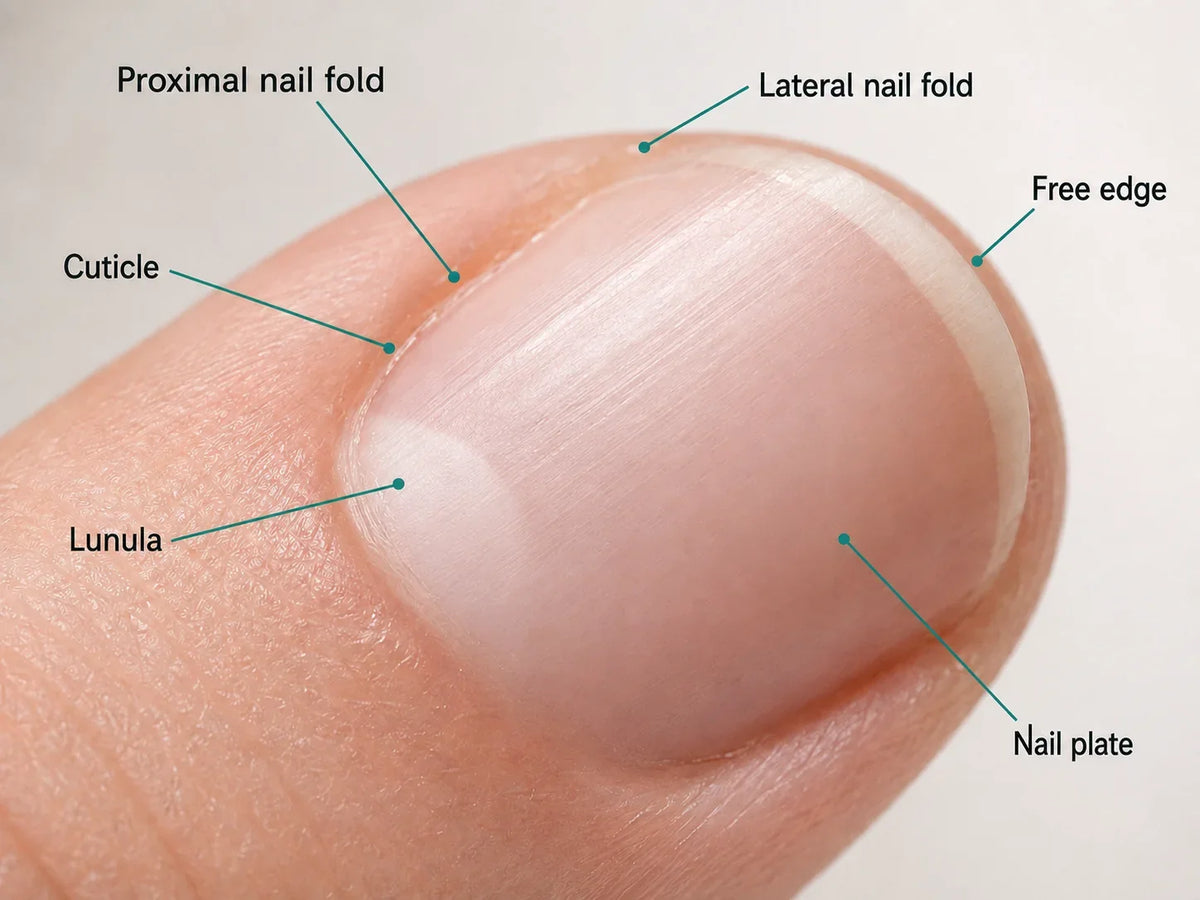
Le terme « cuticule » est souvent utilisé à tort pour décrire le pli de peau visible à la base de l'ongle. En réalité, ce pli est l'éponychium, un tissu vivant conçu pour protéger la matrice de l'ongle contre les infections.
La véritable cuticule est la peau morte, non vivante, qui se détache de l'éponychium et adhère à la plaque de l'ongle pendant sa croissance. Comprendre cette distinction est crucial : vous pouvez exfolier en toute sécurité la véritable cuticule, mais couper l'éponychium vivant ouvre la porte à l'inflammation et aux bactéries.

Constant exposure to water and harsh soaps strips the delicate skin around the nail of its natural protective lipids, leading to severe dehydration and cracking.

Low humidity and biting temperatures draw moisture out of the extremities first. The thin skin of the eponychium is particularly vulnerable to environmental stress.

Nervous habits cause micro-traumas to the living tissue. This physical damage creates rough edges that tempt further picking, creating a relentless cycle of damage.
When the goal is a cleaner-looking manicure, it can be tempting to remove everything visible around the nail base. The problem is that the dead cuticle and living proximal nail fold can appear almost continuous.
For routine at-home care, avoid cutting the attached skin around the entire nail. Removing too much may create a temporarily bare outline, but it can also leave the area red, uneven, or more noticeable as it recovers.
The True Cuticle: The thin layer of dead, transparent skin clinging tightly to the nail plate.
The Eponychium: The thicker, living skin fold surrounding the base of the nail.
Yes, and often with a vengeance if mishandled. Understanding the recovery cycle is key to breaking the habit of destructive trimming.
Cutting the eponychium triggers the body's defensive inflammatory response.
Skin rapidly produces excess keratin to armor the 'wound', creating tough, thick edges.
This hardened new growth peels and creates painful hangnails that tempt further cutting.
Consistent daily oil application softens the hardened skin, slowly returning it to a flexible, healthy state.
Cuticles are easier to refine when the nail line is soft and flexible. Scraping or pushing dry tissue creates more friction and makes it harder to distinguish loose surface buildup from attached skin.
Start with targeted moisture. Apply a small amount around the base and sides of each nail, allow it to sit briefly, and then massage it in.
A pen-style applicator makes this easier because it follows the narrow curve around the nail without coating the entire hand. It can also be kept beside a sink, on a desk, or in a bag for quick application after handwashing.
If you use a cuticle pusher, treat it as an occasional precision tool. The area should already be softened, and any nonliving buildup should move with very little pressure.
If the tissue feels attached, tender, or resistant, leave it alone.
Cette routine en quatre étapes combine une hydratation quotidienne avec un entretien occasionnel—sans transformer le soin des cuticules en une longue manucure. Utilisez le stylo de soin des cuticules comme étape d'entretien fréquente. Couper, limer, repousser et polir ne doivent être faits qu'en cas de besoin.
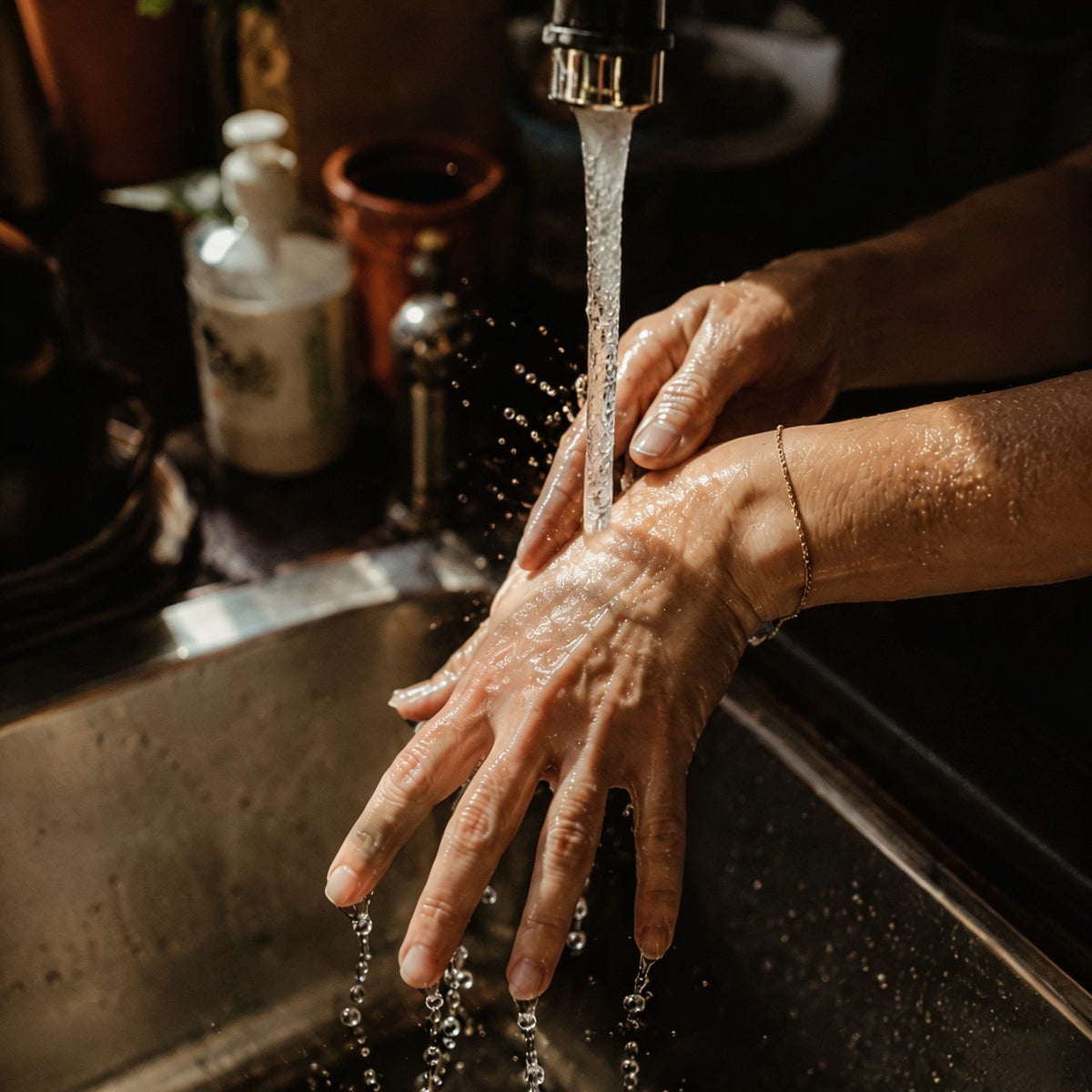
Lavez avec un savon doux et de l'eau tiède, puis séchez soigneusement les mains et les plis de l'ongle. Nettoyez délicatement autour des ongles—ne grattez pas la peau environnante et ne creusez pas sous le bord libre.

Pendant que la ligne de l'ongle est encore souple après le lavage, tenez l'extrémité inclinée du pousse-cuticules en verre presque à plat contre la plaque de l'ongle. Utilisez des mouvements courts et doux pour soulever uniquement la fine pellicule décollée posée sur l'ongle.
Cette étape est facultative. Si le tissu semble adhérent, sensible ou résistant—ou si la zone est fissurée, enflée ou irritée—laissez-le tranquille.
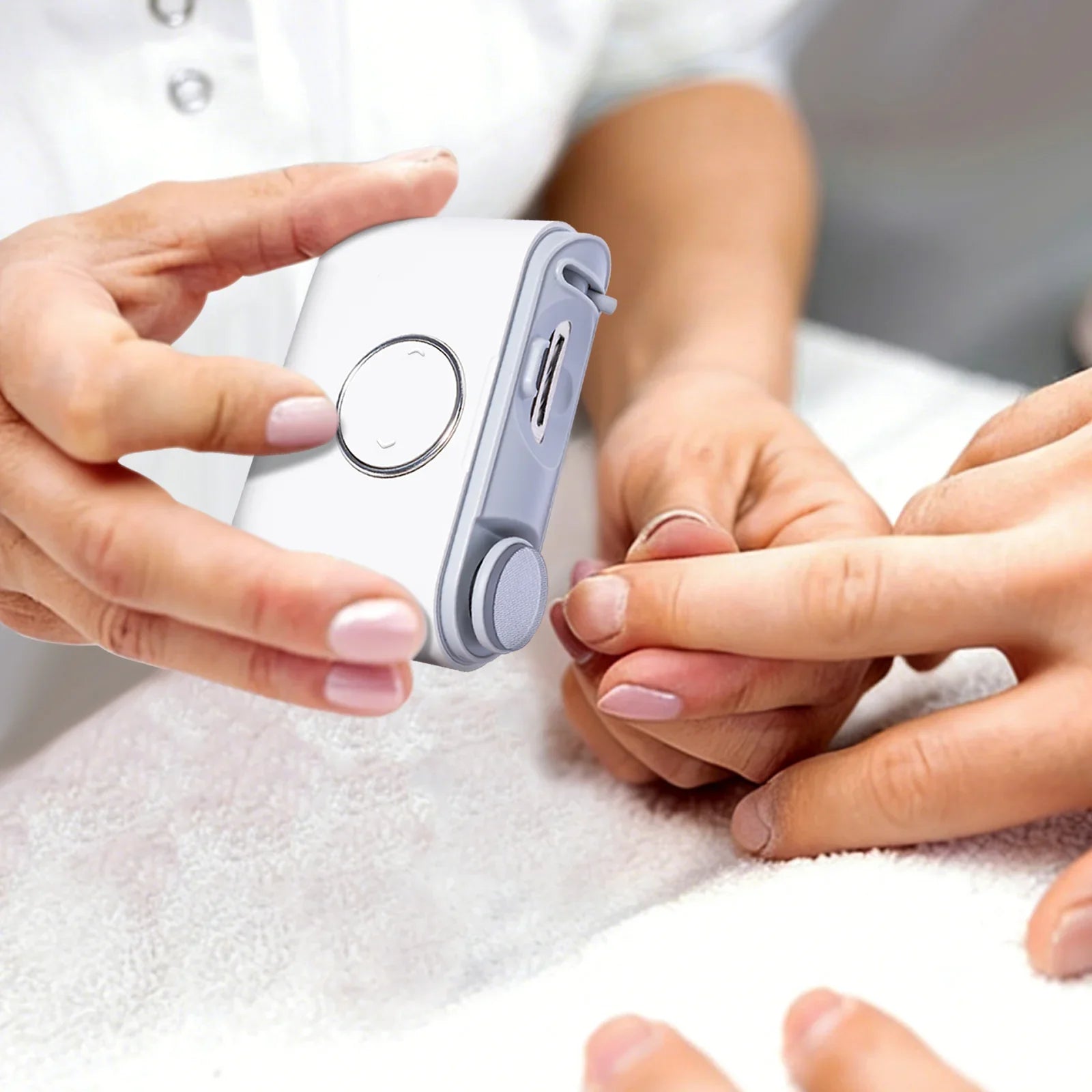
Lorsque les ongles doivent être raccourcis, la coupe-ongles électrique 3-en-1 DRMODE combine coupe, meulage et polissage en un seul appareil. Une lame de précision protégée, trois niveaux de puissance et un réservoir scellé pour les rognures d'ongles facilitent et rendent plus propre l'entretien courant.
Commencez par le réglage le plus bas adapté et guidez uniquement le bord libre dans l'ouverture—ne jamais appuyer l'appareil contre la cuticule ou la peau environnante. Pour de petits ajustements de forme, terminez avec une lime à ongles en verre cristal ; utilisez le polisseur en verre nano avec parcimonie sur les ongles naturels sains.
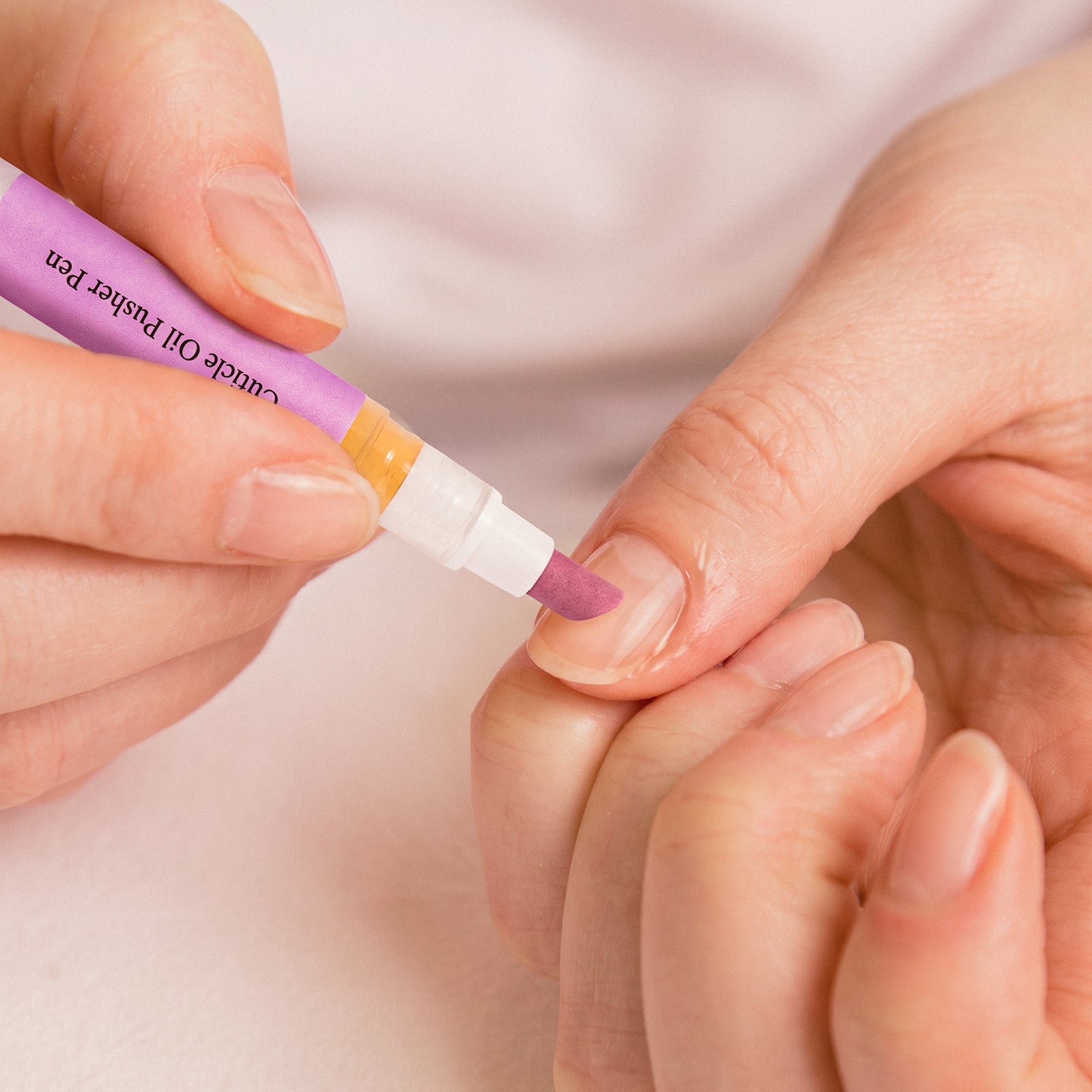
Terminez avec une fine couche du stylo soin des cuticules DRMODE autour de la base et des côtés de chaque ongle. Sa pointe angulée précise suit la fine ligne de l'ongle, tandis que la formule légère à base d'eau apporte une hydratation ciblée sans les dégâts d'une huile traditionnelle en compte-gouttes.
Massez doucement jusqu'à répartition uniforme. Utilisez quotidiennement—ou chaque fois que le contour de l'ongle semble sec ou tendu—en gardant le limage, le repoussage et le polissage comme étapes occasionnelles.
More cutting does not always create a cleaner result. These common mistakes can make the nail line look rougher instead of more polished.
| Mistake | What Happens | Better Approach |
|---|---|---|
| Cutting the full nail line. | Red, uneven regrowth. | Trim only detached hangnails. |
| Pushing dry cuticles. | More friction and irritation. | Soften the area first. |
| Removing every visible edge. | Living skin may be damaged. | Clear only loose nail-plate buildup. |
| Overusing remover. | Dryness or sensitivity. | Follow the stated timing. |
| Overusing tools. | A tender, overworked finish. | Push weekly; shine sparingly. |
| Skipping daily moisture. | Roughness quickly returns. | Apply after washing and before bed. |
Most at-home routines only need a targeted moisturizer, a gentle nail file, and a clean trimmer reserved for detached hangnails. A glass cuticle pusher and nano nail shiner are optional tools for occasional detailing. They should not replace daily moisture or be used aggressively. For a streamlined routine, pair a daily cuticle care pen with the DRMODE 5-Piece Glass Nail File Set.
What looks like fast cuticle growth may be dry surface tissue becoming more visible, irritation from cutting, or the natural cuticle seal forming again. Frequent trimming can make every new edge more noticeable, even if the biological growth rate has not changed.
A leave-on moisturizing product can generally be applied once or several times a day, depending on its directions and your skin’s needs. Useful times include after handwashing, after sanitizer has dried, and before bed.
A cuticle care pen designed for leave-on use can usually be applied every day. For very dry nail edges, use it in the morning and before bed, then reapply after handwashing when the area feels tight. Stop using the product if it causes persistent burning, itching, or a rash.
Cuticle removers soften or loosen keratinized surface tissue so it can be wiped from the nail plate more easily. They are not intended to dissolve living skin. Follow the stated contact time, rinse when directed, and avoid applying remover to cracked or irritated areas.
Pause cutting, scraping, and cuticle remover until the skin has settled. Apply a gentle moisturizer regularly and wear gloves when handling cleaning products or spending long periods in water. If a hangnail is fully detached, clip only the loose section with a clean tool. Do not pull it.
Daily pushing is unnecessary and may create repeated friction around the nail base. If you use a glass cuticle pusher, soften the area first and limit the step to approximately once a week—or only when loosened buildup is visible on the nail plate.
You do not need to cut the cuticle line before polishing. Refining loose surface tissue can create a cleaner outline, but remove any moisturizer from the nail plate before applying polish. Oil or serum left on the nail may affect adhesion.
Contact a healthcare professional if the skin around a nail becomes increasingly red, warm, swollen, painful, or begins producing pus. A nail that lifts, changes shape, develops persistent inflammation, or shows a new unexplained dark streak also requires professional evaluation rather than cosmetic cuticle care.
Polished-looking cuticles do not come from cutting away as much skin as possible. They come from knowing the difference between visible nonliving buildup and the living fold that naturally frames the nail.
Soften first. Refine only what moves without force. Keep rough nail edges smooth, and make targeted moisture part of your daily routine.
The result is not a completely bare nail base, but something more natural and easier to maintain: a clean, comfortable nail line that makes both bare nails and finished manicures look more considered.
This article provides general cosmetic nail-care information and is not a substitute for diagnosis or treatment by a qualified healthcare professional.
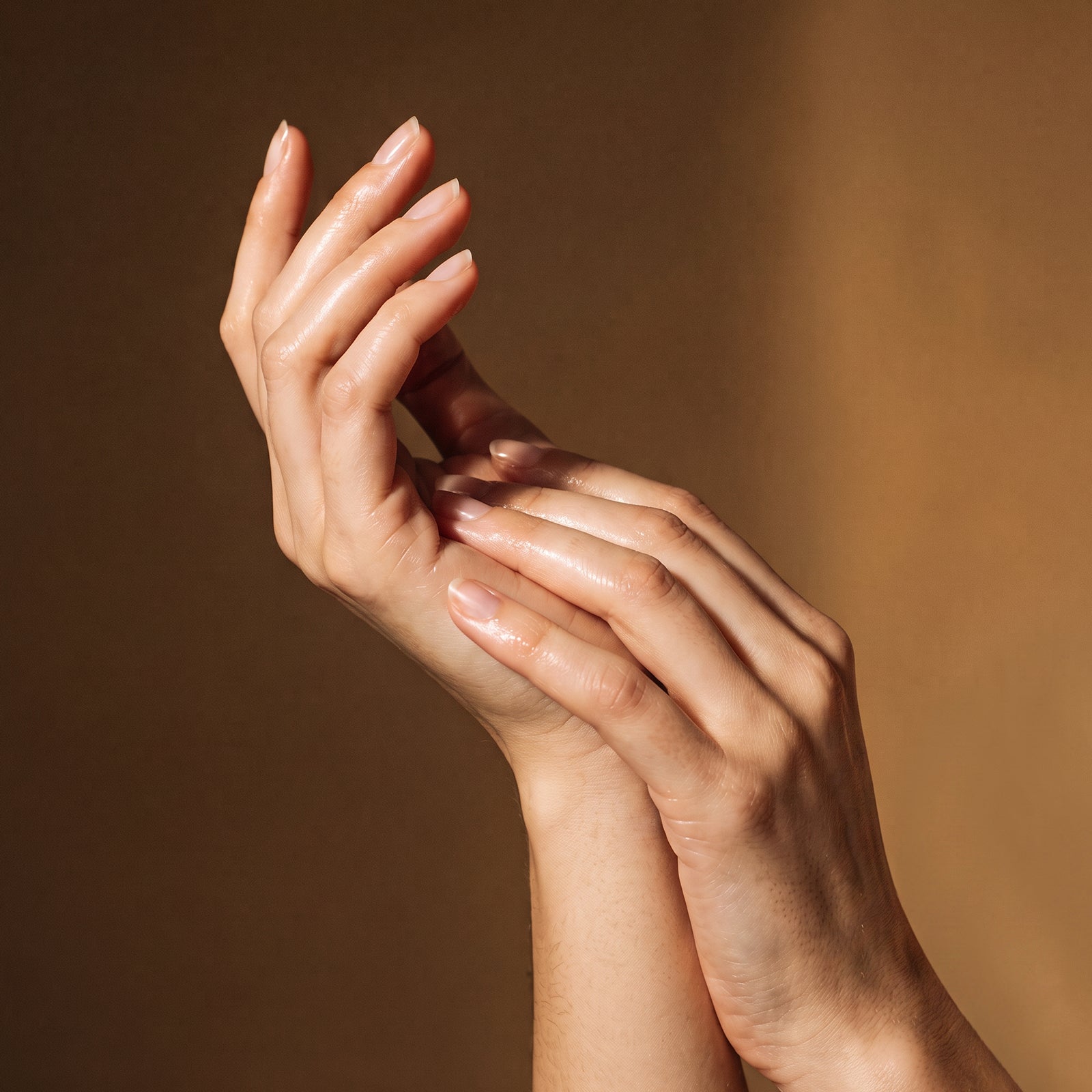
Affinez les bords rugueux et redonnez de l'éclat naturel avec le set de 5 limes à verre, puis adoucissez les cuticules sèches avec trois stylos à huile pour cuticules légers comme l'eau. Tout ce qu'il vous faut pour des ongles naturellement polis—sans rendez-vous en salon.


Prêt à ajouter

Prêt à ajouter
Partager:
Arrêtez la lutte : comment choisir les meilleurs coupe-ongles pour ongles épais
Comment nettoyer les coupe-ongles à la maison : étapes simples pour désinfecter