
- por seodrmode
Cuidado de las cutículas: el secreto para una línea de uñas más limpia y pulida
- por seodrmode
Todos hemos oído hablar de las cutículas, y ciertamente podemos ver cuando están secas, demasiado crecidas o hacen que una manicura recién hecha luzca ligeramente sin terminar. Pero, ¿qué parte es realmente piel muerta, qué parte sigue viva y por qué parece volver justo después de que se ha arreglado la línea de la uña?
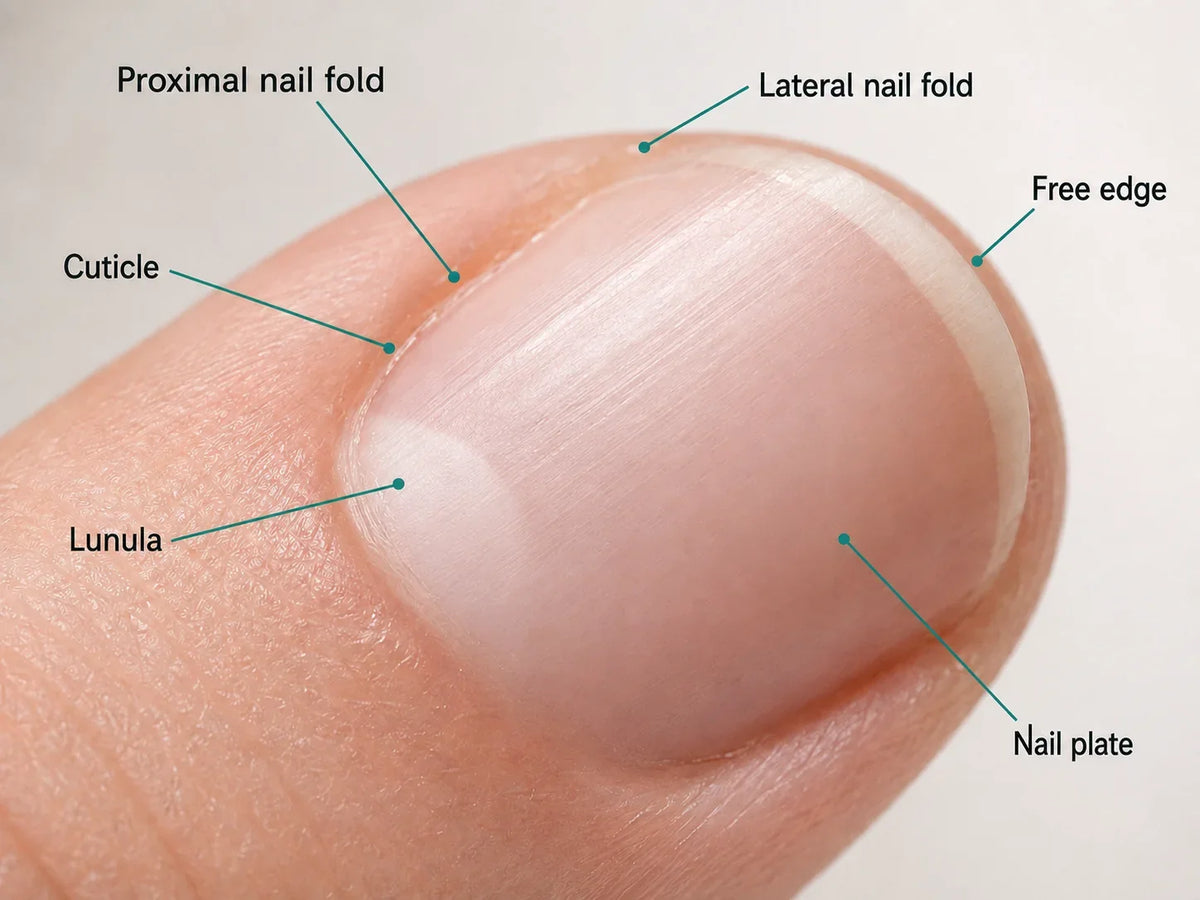
El término "cutícula" se usa con frecuencia de manera incorrecta para describir el pliegue visible de piel en la base de la uña. En realidad, ese pliegue es el eponiquio: tejido vivo diseñado para proteger la matriz de la uña de infecciones.
La verdadera cutícula es la piel muerta, sin vida, que se desprende del eponiquio y se adhiere a la placa de la uña a medida que crece. Comprender esta distinción es crucial: puedes exfoliar con seguridad la cutícula verdadera, pero cortar el eponiquio vivo abre la puerta a la inflamación y a las bacterias.

Constant exposure to water and harsh soaps strips the delicate skin around the nail of its natural protective lipids, leading to severe dehydration and cracking.

Low humidity and biting temperatures draw moisture out of the extremities first. The thin skin of the eponychium is particularly vulnerable to environmental stress.

Nervous habits cause micro-traumas to the living tissue. This physical damage creates rough edges that tempt further picking, creating a relentless cycle of damage.
When the goal is a cleaner-looking manicure, it can be tempting to remove everything visible around the nail base. The problem is that the dead cuticle and living proximal nail fold can appear almost continuous.
For routine at-home care, avoid cutting the attached skin around the entire nail. Removing too much may create a temporarily bare outline, but it can also leave the area red, uneven, or more noticeable as it recovers.
The True Cuticle: The thin layer of dead, transparent skin clinging tightly to the nail plate.
The Eponychium: The thicker, living skin fold surrounding the base of the nail.
Yes, and often with a vengeance if mishandled. Understanding the recovery cycle is key to breaking the habit of destructive trimming.
Cutting the eponychium triggers the body's defensive inflammatory response.
Skin rapidly produces excess keratin to armor the 'wound', creating tough, thick edges.
This hardened new growth peels and creates painful hangnails that tempt further cutting.
Consistent daily oil application softens the hardened skin, slowly returning it to a flexible, healthy state.
Cuticles are easier to refine when the nail line is soft and flexible. Scraping or pushing dry tissue creates more friction and makes it harder to distinguish loose surface buildup from attached skin.
Start with targeted moisture. Apply a small amount around the base and sides of each nail, allow it to sit briefly, and then massage it in.
A pen-style applicator makes this easier because it follows the narrow curve around the nail without coating the entire hand. It can also be kept beside a sink, on a desk, or in a bag for quick application after handwashing.
If you use a cuticle pusher, treat it as an occasional precision tool. The area should already be softened, and any nonliving buildup should move with very little pressure.
If the tissue feels attached, tender, or resistant, leave it alone.
Esta rutina de cuatro pasos combina la hidratación diaria con el cuidado ocasional, sin convertir el cuidado de las cutículas en una manicura larga. Usa el lápiz de cuidado de cutículas como paso de mantenimiento frecuente. El recorte, limado, empuje y pulido solo deben hacerse cuando sea necesario.
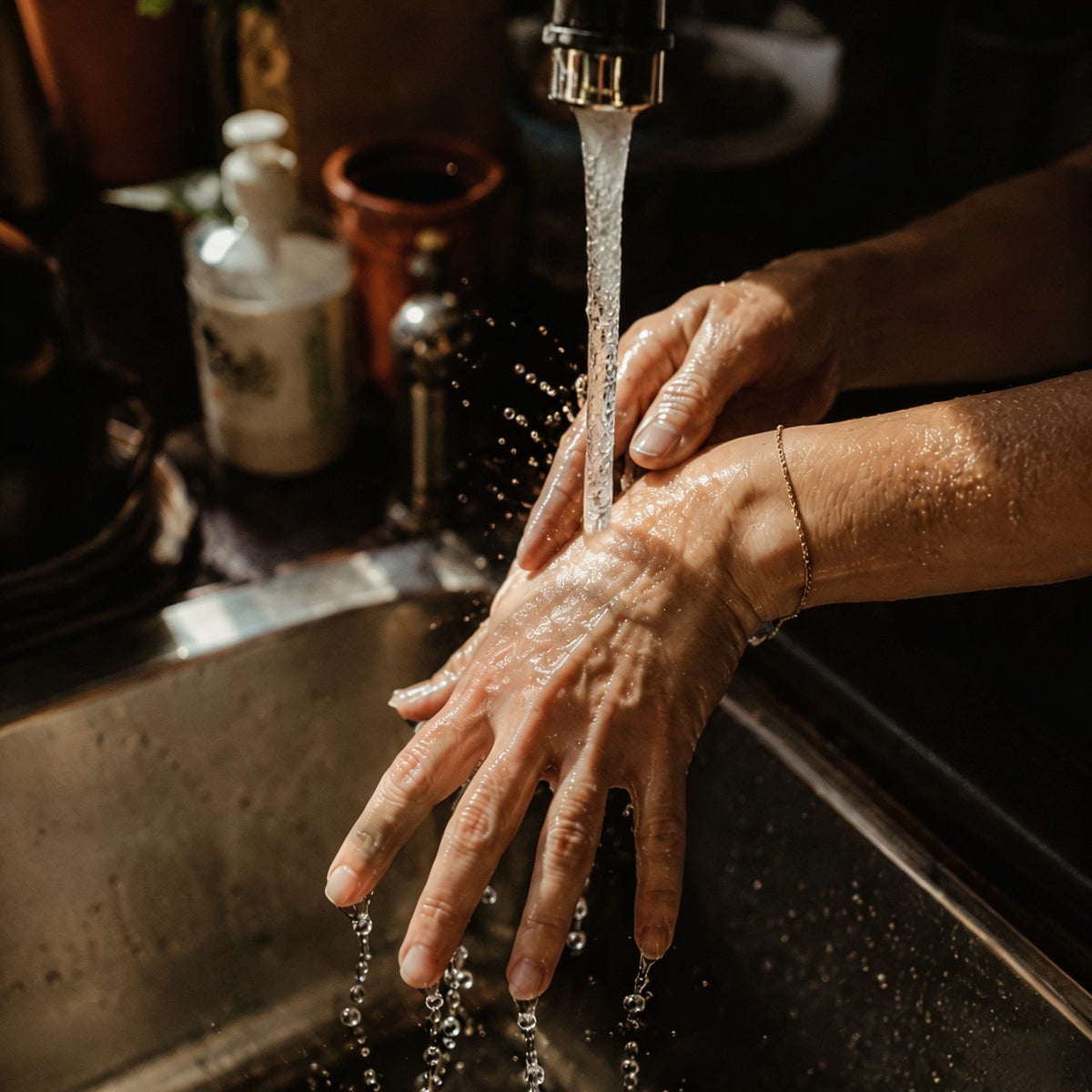
Lava con jabón suave y agua tibia, luego seca bien las manos y los pliegues de las uñas. Limpia suavemente alrededor de las uñas: no rasques la piel circundante ni caves debajo del borde libre.

Mientras la línea de la uña todavía esté flexible después del lavado, sostén el extremo angulado del empujador de cutículas de vidrio casi plano contra la placa de la uña. Usa movimientos cortos y suaves para levantar solo la película aflojada que está sobre la uña.
Este paso es opcional. Si el tejido se siente adherido, sensible o resistente, o la zona está agrietada, hinchada o irritada, déjalo tranquilo.
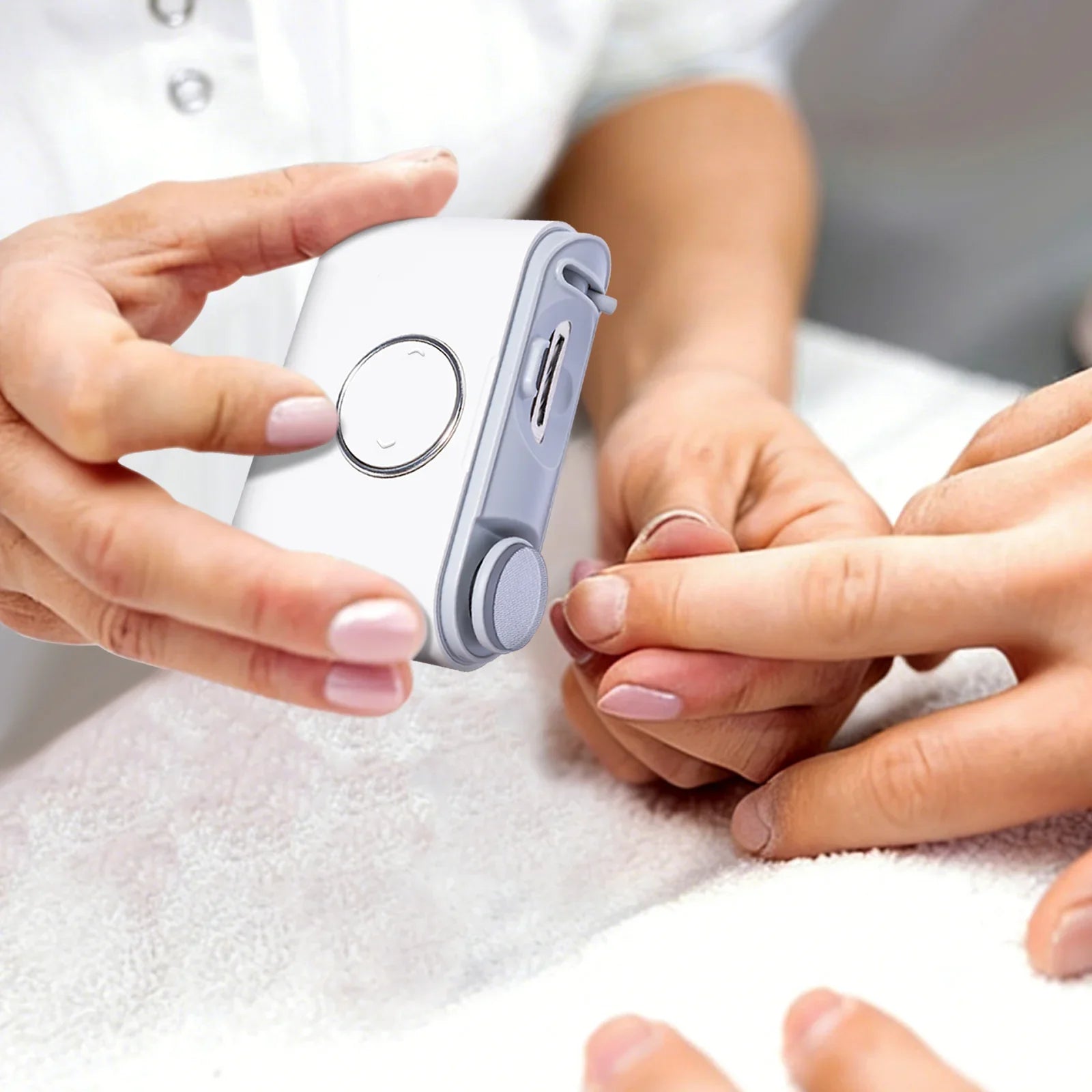
Cuando las uñas necesiten recortarse, el cortaúñas eléctrico 3 en 1 de DRMODE combina recorte, lijado y pulido en un solo dispositivo. Una cuchilla de precisión con protector, tres niveles de potencia y un depósito sellado para recortes de uñas facilitan y ordenan el mantenimiento de rutina.
Empieza con el ajuste bajo más adecuado y guía solo el borde libre hacia la abertura: nunca presiones el dispositivo contra la cutícula ni la piel circundante. Para pequeños ajustes de forma, termina con una lima de vidrio cristal; usa el brillador de nano vidrio con moderación en uñas naturales sanas.
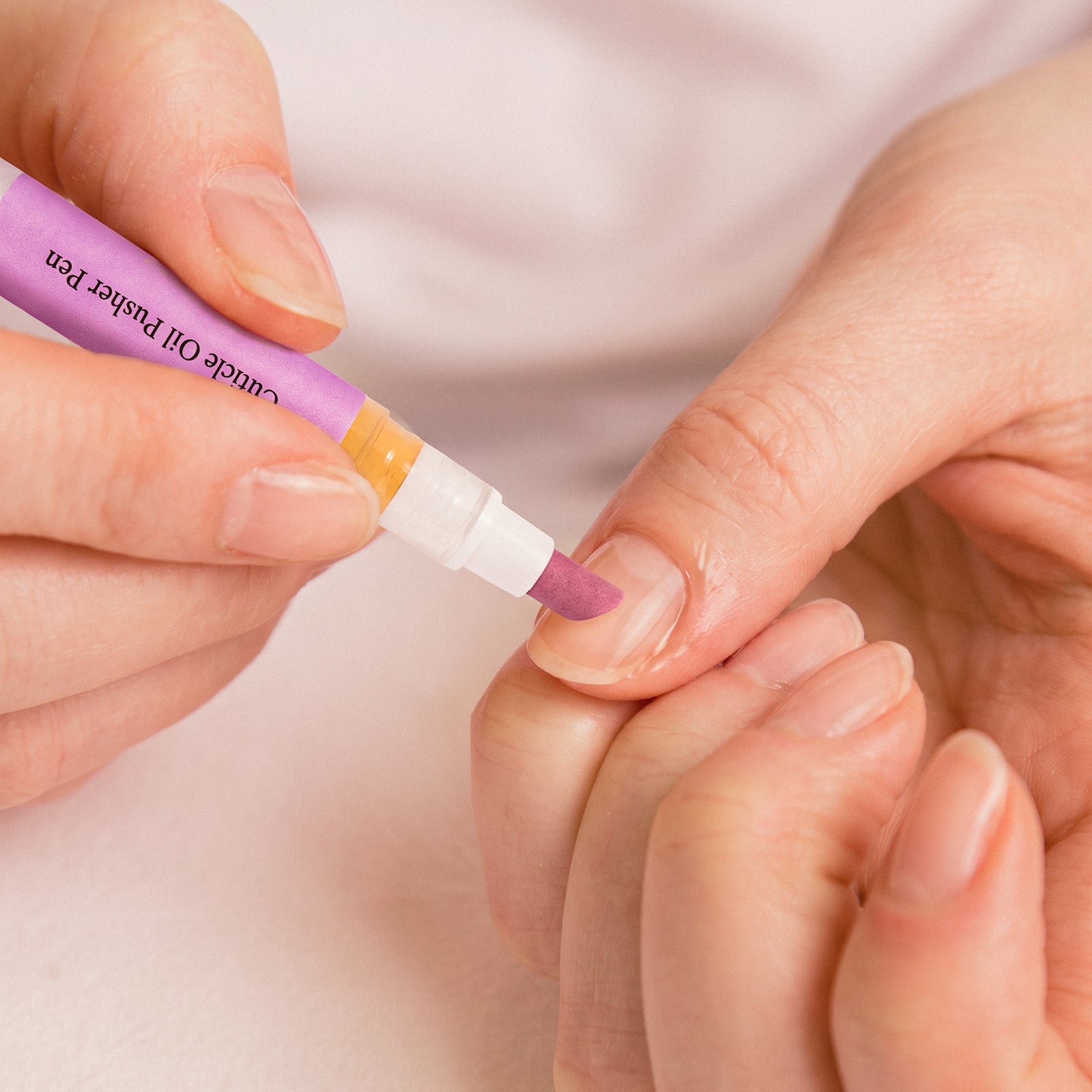
Termina con una capa ligera del lápiz de cuidado de cutículas DRMODE en la base y los lados de cada uña. Su punta angulada precisa sigue la línea estrecha de la uña, mientras que la fórmula ligera como el agua aporta hidratación específica sin el desorden de un aceite tradicional con gotero.
Masajea suavemente hasta que se distribuya uniformemente. Úsalo a diario, o siempre que la línea de la uña se sienta seca o tirante, manteniendo el limado, el empuje y el brillo como pasos ocasionales.
More cutting does not always create a cleaner result. These common mistakes can make the nail line look rougher instead of more polished.
| Mistake | What Happens | Better Approach |
|---|---|---|
| Cutting the full nail line. | Red, uneven regrowth. | Trim only detached hangnails. |
| Pushing dry cuticles. | More friction and irritation. | Soften the area first. |
| Removing every visible edge. | Living skin may be damaged. | Clear only loose nail-plate buildup. |
| Overusing remover. | Dryness or sensitivity. | Follow the stated timing. |
| Overusing tools. | A tender, overworked finish. | Push weekly; shine sparingly. |
| Skipping daily moisture. | Roughness quickly returns. | Apply after washing and before bed. |
Most at-home routines only need a targeted moisturizer, a gentle nail file, and a clean trimmer reserved for detached hangnails. A glass cuticle pusher and nano nail shiner are optional tools for occasional detailing. They should not replace daily moisture or be used aggressively. For a streamlined routine, pair a daily cuticle care pen with the DRMODE 5-Piece Glass Nail File Set.
What looks like fast cuticle growth may be dry surface tissue becoming more visible, irritation from cutting, or the natural cuticle seal forming again. Frequent trimming can make every new edge more noticeable, even if the biological growth rate has not changed.
A leave-on moisturizing product can generally be applied once or several times a day, depending on its directions and your skin’s needs. Useful times include after handwashing, after sanitizer has dried, and before bed.
A cuticle care pen designed for leave-on use can usually be applied every day. For very dry nail edges, use it in the morning and before bed, then reapply after handwashing when the area feels tight. Stop using the product if it causes persistent burning, itching, or a rash.
Cuticle removers soften or loosen keratinized surface tissue so it can be wiped from the nail plate more easily. They are not intended to dissolve living skin. Follow the stated contact time, rinse when directed, and avoid applying remover to cracked or irritated areas.
Pause cutting, scraping, and cuticle remover until the skin has settled. Apply a gentle moisturizer regularly and wear gloves when handling cleaning products or spending long periods in water. If a hangnail is fully detached, clip only the loose section with a clean tool. Do not pull it.
Daily pushing is unnecessary and may create repeated friction around the nail base. If you use a glass cuticle pusher, soften the area first and limit the step to approximately once a week—or only when loosened buildup is visible on the nail plate.
You do not need to cut the cuticle line before polishing. Refining loose surface tissue can create a cleaner outline, but remove any moisturizer from the nail plate before applying polish. Oil or serum left on the nail may affect adhesion.
Contact a healthcare professional if the skin around a nail becomes increasingly red, warm, swollen, painful, or begins producing pus. A nail that lifts, changes shape, develops persistent inflammation, or shows a new unexplained dark streak also requires professional evaluation rather than cosmetic cuticle care.
Polished-looking cuticles do not come from cutting away as much skin as possible. They come from knowing the difference between visible nonliving buildup and the living fold that naturally frames the nail.
Soften first. Refine only what moves without force. Keep rough nail edges smooth, and make targeted moisture part of your daily routine.
The result is not a completely bare nail base, but something more natural and easier to maintain: a clean, comfortable nail line that makes both bare nails and finished manicures look more considered.
This article provides general cosmetic nail-care information and is not a substitute for diagnosis or treatment by a qualified healthcare professional.
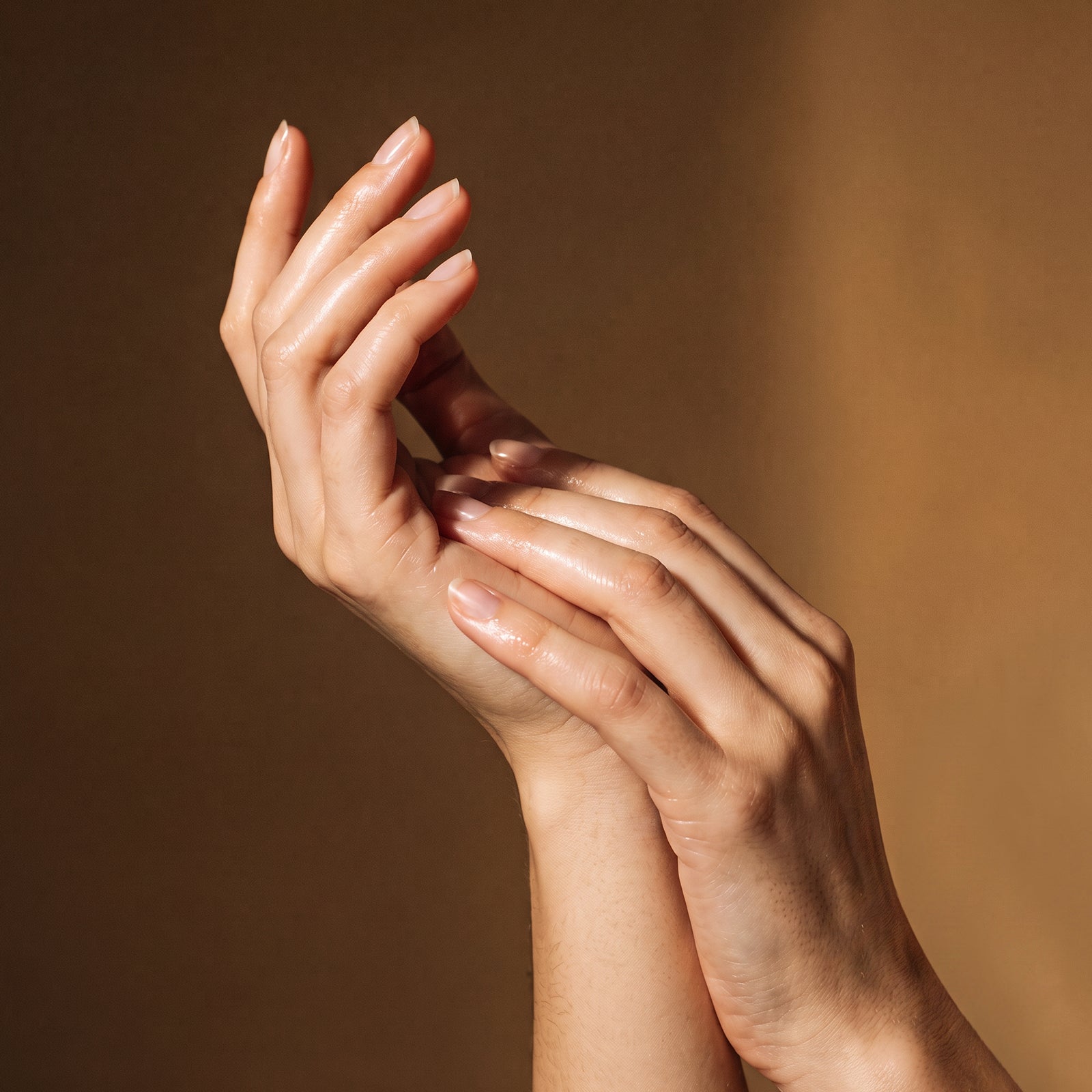
Refina los bordes ásperos y restaura el brillo natural con el set de 5 limas de vidrio para uñas, luego suaviza las cutículas secas con tres bolígrafos de aceite para cutículas ligeros como el agua. Todo lo que necesitas para uñas naturalmente pulidas—sin cita en el salón.


Listo para añadir

Listo para añadir
Compartir:
Deja de luchar: Cómo elegir el mejor cortauñas para uñas gruesas
Cómo limpiar los cortaúñas en casa: pasos sencillos para desinfectarlos